 The Fairway Wire
Editorial
Your Lost Ball Is Still Out There, and My Mower Will Find It First
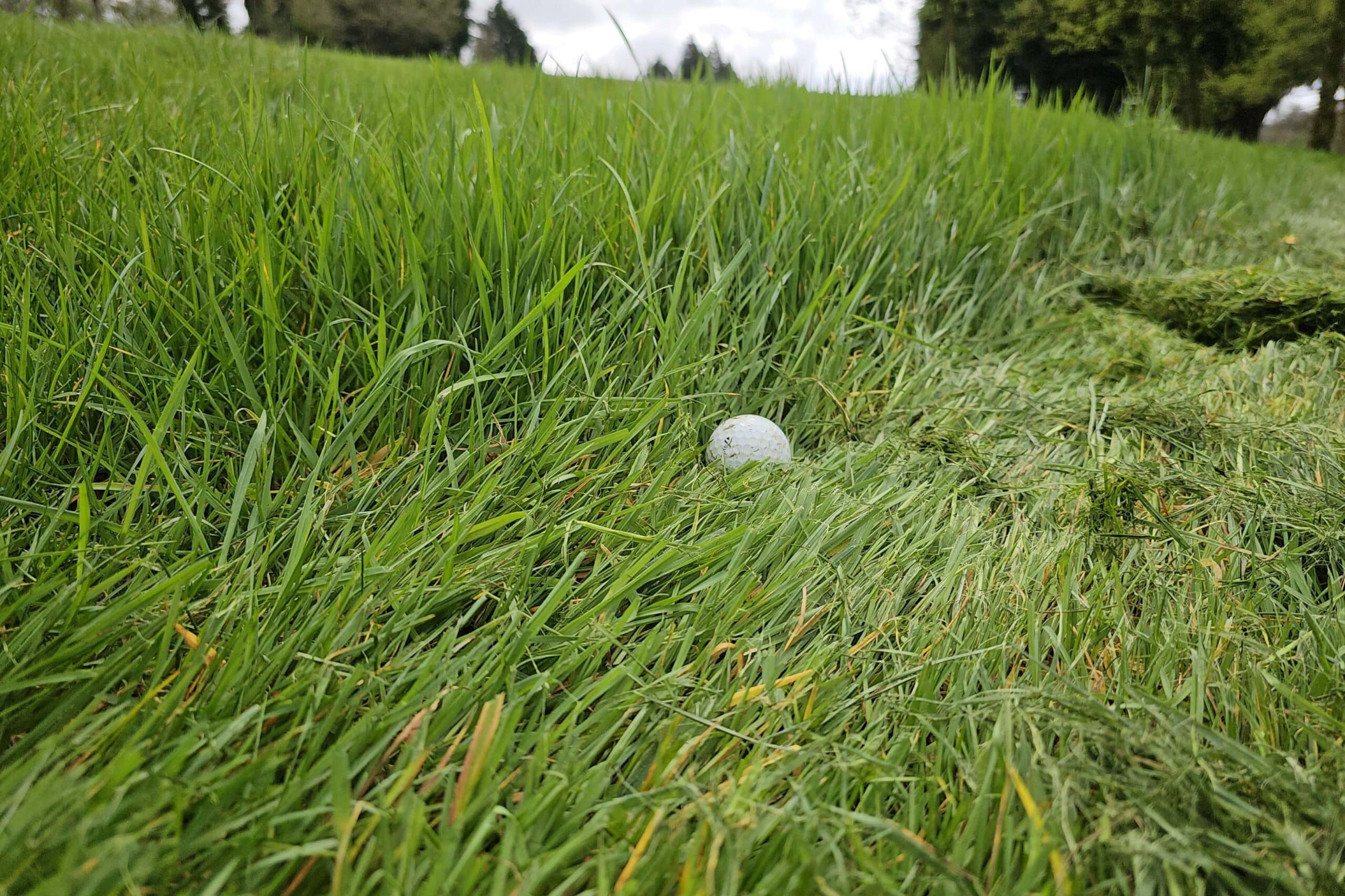
You searched the rough for five minutes and swore it could not have gone far. It is still out there — tucked down in the Bermuda where no eyes will find it, right in the path of tomorrow morning's mower. A greens keeper on what lost balls really cost, and why the morning shift always finds them first.
You gave it the full five minutes. You walked the rough in circles, parted the grass with your wedge, your partner drove the cart in a slow grid like you were searching for a missing person, and then you said the words every golfer says: it could not have gone far. Friend, I have some news from the other side of dawn. It did not vanish. It is still out there, sitting in that Bermuda like an egg in a nest, and tomorrow at first light, my mower will find it before anybody's eyes ever do.
That is not a guess. It is a schedule. Every week our rough mowers come back to the shop with a little harvest nobody planted — balls cut clean in half, balls with the cover peeled, balls that jumped out of the cut path and landed twenty feet away in the fairway like they were trying to make a break for it. You can hear it before you feel it. A good rough pass hums steady for acres, and then — thunk — the note changes, the deck shudders, and somewhere under there a four-dollar ball just met a blade spinning faster than your car goes on A1A. I stop, I kill the deck, I fish out what is left, and I think about the fellow who watched it sail in there and swore it was right on the edge.
Here is what golfers never picture: a lost ball does not sit on top of the rough waiting to be spotted. Bermuda in Ponte Vedra in the growing season swallows things. The ball drops in, the blades close over it, dew and a day of growth tuck it in, and by the next morning it is invisible from standing height and perfectly visible to nothing except a mower deck set at two and a half inches. You were not careless and you were not blind. You were looking for a white ball in green grass from six feet up. The mower finds it from two inches down. That is not bad luck. That is geometry.
And it is not just your ball out there. Over a season a crew pulls an archaeology of this game out of the rough and the palmettos: cracked range balls that migrated two holes over, a practice ball with somebody's initials still proud in marker, water balls so old the logos have gone shy, and every so often a perfect, brand-new premium ball sitting in the nastiest lie on the property — hit once, watched all the way in, and abandoned by a man who decided, correctly, that no ball is worth the swing it would take to get it out. Those are my favorites. Somebody's worst shot of the month, lying there mint.
I am not telling you this to shame the search party. I have played this course at dusk and put my own ball in the same rough I cut at dawn, and I have done the same circles, and I have said the same words — it could not have gone far — knowing to the inch how far it went. Knowing and finding are different sports out here. The rough does not care what you do for a living.
What I am asking is smaller than you think. When the mower finds a ball, at best we lose a few minutes. At worst a blade gets nicked, and a nicked blade tears grass instead of cutting it all morning — and torn grass is an open door for everything we fight all summer. So take your drop a half-minute sooner. The stroke hurts, I know. But that ball is rarely worth the lie you would get if you found it, and never worth the search that holds up the group behind you while the rough quietly keeps it anyway.
Besides, there is comfort in it, once you make your peace. Nothing on a golf course is really lost. It is just reassigned. Your ball left your bag, spent a night in the rough I grew on purpose, and came back to the shop in pieces at sunrise to tell my crew where the trouble was thickest that week. We read those finds the way you read a scorecard. A pocketful from the right rough on a dogleg tells us where the hole was won and given away.
So the next time yours disappears, tip your cap, drop one, and keep moving. You did not lose it for good. You just left it for the morning shift — and we will find it first, same as always, right on time.