 The Fairway Wire
Editorial
When the Frogs Sing All Night, My Ponds Are Telling Me They Are Healthy
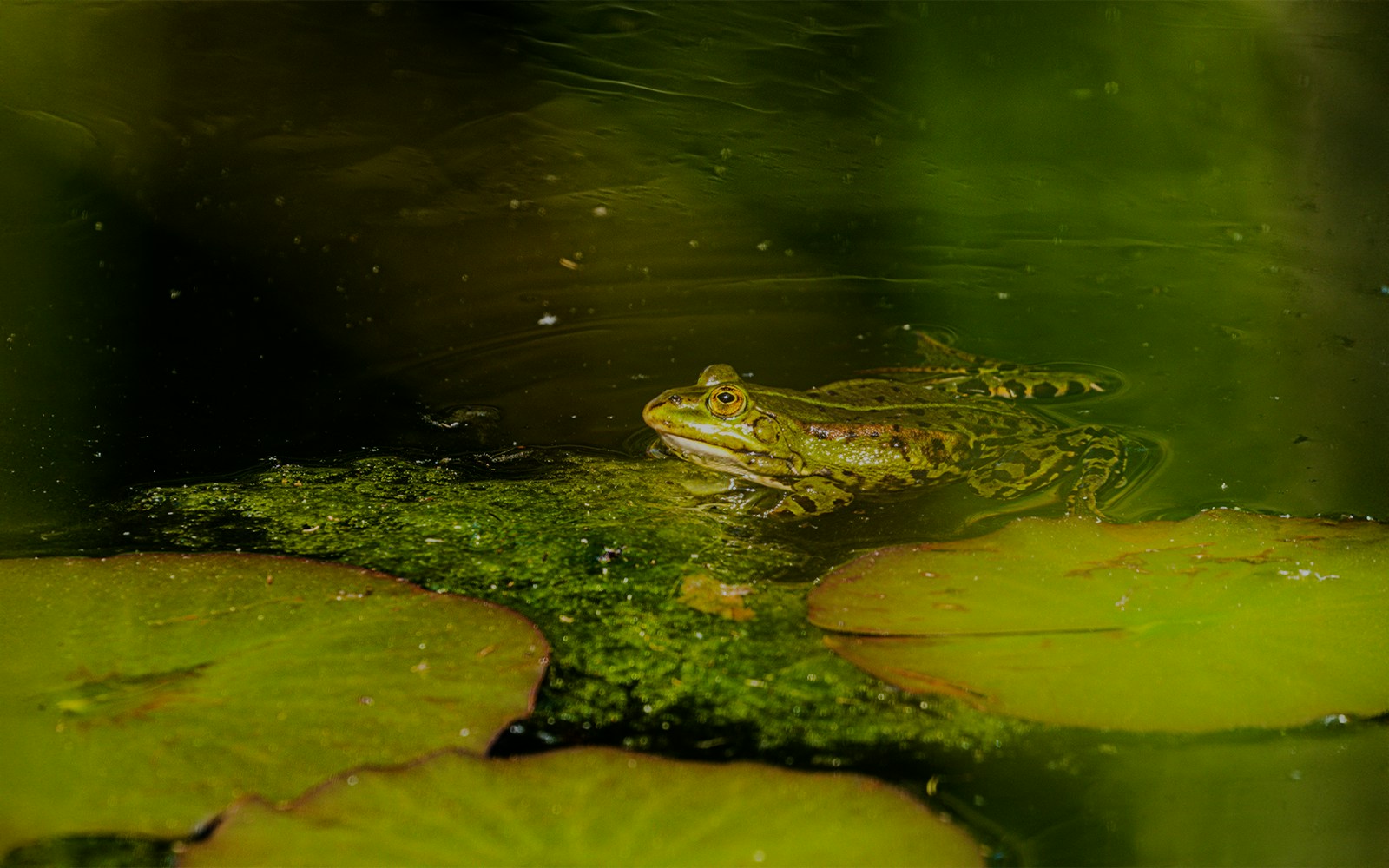
After a good rain in Ponte Vedra, the ponds on my course get loud enough to hear from the cart path, and I have learned to listen before I look at any meter. A yard full of frogs means the water, the bugs, and the grass around the edges are doing their jobs, and a silent pond in Florida is the one that worries me.
You can hear my ponds before you can see them on a good night in Ponte Vedra. After a steady rain, when I step out back at home or roll through the gate before dawn, the frogs are going full volume — deep bullfrog notes down low, little chirping tree frogs up high, and everything in between arguing at once. Most folks hear noise. I hear a report card, and if that chorus is loud, I sleep a whole lot better.
A frog is an honest creature because it cannot hide what the water did to it. It lives half in the pond and half out of it, breathes through skin that takes in whatever is floating around, and eats the bugs that hatch off the surface. If the water goes sour, if a spray drifts wrong, if the pond turns dead and empty, the frogs are the first to leave or go quiet. Chemicals, algae, low oxygen — a meter can miss the story for a day. A silent pond in Florida in warm weather tells it right away. Silence out here is never normal. Silence is a warning.
That is why I listen on my morning rounds the same way I look at the grass. I know which pond is the loud one by the big oak, which one goes quiet first when the weather turns dry, and which little ditch behind a green fills up after a rain and becomes a frog apartment building overnight. Tadpoles in a puddle on a cart path will stop my cart faster than a broken sprinkler. I will drive around them for a week if I have to. My crew gives me grief about it, right up until they are doing the same thing in their own carts.
People who do not work outside think a golf course pond is just a place to lose a ball. For us it is a working part of the property. Those ponds hold the rain that runs off the fairways, they give our irrigation a place to settle, and they are home to the herons, the egrets, the turtles, and half the bug patrol on the course. The frogs sit right in the middle of that food chain, eating mosquitoes by the thousands and feeding just about everything with wings or a long beak. Take the frogs out and you do not get a quieter course. You get more bugs, hungrier birds, and water nobody is testing for free every single night.
I learned this the slow way, not from a book. Years ago, after a stretch of brutal heat, one of our smaller ponds went still. No frogs at dusk, no ripples, just a flat, tea-colored surface and a smell that was not right. The grass around it looked fine, which is exactly how trouble fools you. We found the aerator had quit, the oxygen had dropped, and the pond was turning over on itself. The frogs knew before our eyes did. We got air back in that water, the smell cleared, and inside of two weeks the little chirps started up again at the edges, shy at first, then loud enough to brag about. I have trusted that sound ever since.
There is a funny side to living with them. A bullfrog in a drain pipe sounds about ten feet tall. A tree frog inside a valve box lid will make a grown man jump when he lifts it at five in the morning, and I speak from personal experience. During a night watering check, their eyes shine back in a headlamp all around the bank like somebody strung tiny lights in the grass. It is either beautiful or a little spooky, depending on how much sleep you got.
So if you play an early round and hear that racket from the water, do not wish it quiet. That noise means the pond is breathing, the bugs are getting eaten, and the whole wet corner of this course is doing its job without a paycheck or a day off. I spend my days reading grass. At night, I let the frogs read the water for me, and they have never lied about what they found.