 The Fairway Wire
Editorial
We Wash Every Mower Like the Marsh Is Watching — Because It Is
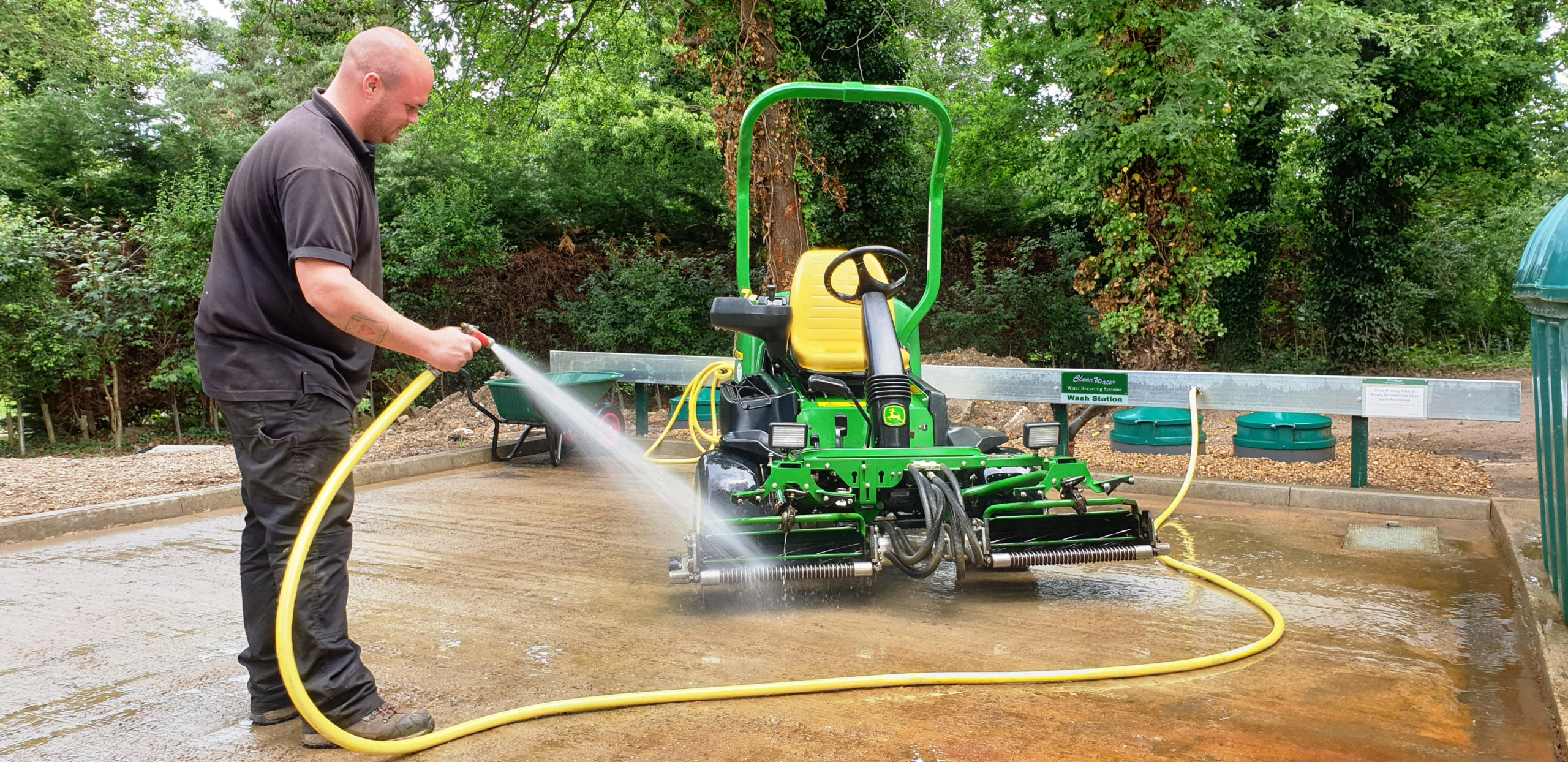
Every afternoon our fleet lines up at a concrete slab behind the shop that no golfer ever notices. What gets washed off a mower — and where that water is allowed to go — decides whether rust, disease, and runoff reach the marsh, or get stopped at the pad.
The last job of the day never makes a highlight reel. Nobody pulls in at sunrise and says, boy, I hope they washed those mowers good yesterday. But every afternoon in Ponte Vedra, after the last fairway is cut, our whole fleet lines up at one unglamorous slab of concrete behind the shop. It is called the wash pad, and around here it is not optional, and it is not just about looking clean.
A mower comes off this course wearing the whole day. Clippings caked an inch thick under the deck, wet Bermuda packed into every corner, sand ground into the reels, and juice — that green, fermented grass juice that smells sweet for ten minutes and then smells like a swamp gave up. Park a machine wearing all that overnight in Florida humidity and you have not finished the job. You have started a science experiment.
Wet clippings hold moisture against steel all night, and rust does not need an invitation down here, just an opportunity. Worse, a deck choked with yesterday's clippings cannot move air right, cannot discharge right, and will leave mohawks and clumps on a fairway that was perfect at noon. A dirty mower is headed down the same road as a dull one, just slower and smellier.
So we wash. First the blower, because hosing dry clippings just makes soup. Then water, worked into the corners a casual rinse would miss — under the deck, around the reels, into the places grass hides. It is cold, loud, splash-back work, and the man on the wash pad goes home with wet boots no matter how careful he is. Ask my socks.
Here is the part most golfers have never thought about, and it is the real reason the pad exists. You cannot just wash a mower anywhere. What comes off that machine carries traces of everything the day carried — fertilizer, the products we use to keep disease off your greens, a film of hydraulic oil, a drip of fuel. Hose that off in a parking lot and all of it goes wherever water goes. In Ponte Vedra, water goes somewhere that matters in a hurry. We sit beside marsh, ponds, and a water table that does not keep secrets. What runs off us can be in that marsh before dinner.
That is why the wash pad is a contained slab, sloped on purpose, so every drop goes one place: into a drain built for it, through a system that separates out solids and oil before the water moves on, with clean water recycled back to wash the next machine where a system like ours allows it. Clippings get collected instead of flushed toward the pond. It is plumbing, not poetry, same as half the important things on a golf course. Nobody admires it. Everybody downstream benefits, including the herons.
Washing does a second job nobody planned and everybody depends on. It is the one time each day a man's hands and eyes go over every inch of a machine, slow. You find things with a hose in your hand that you would never find walking past. A hydraulic line sweating fluid. A bolt backing out. A reel nicked by something the fairway hid. Half the breakdowns we prevent never get counted, because they got caught at the wash pad at two instead of failing on the seventh green at seven the next morning, with the first groups on the tee.
It also keeps the course from infecting itself, almost literally. Grass travels on equipment — clippings, soil, and whatever is living in them. A mower that cut a diseased patch in the morning can carry that trouble to a healthy green if nobody cleans it in between. Washing is our version of a surgeon washing his hands. Not glamorous. Not negotiable, if you care about the patient.
So when the fleet rolls out clean in the dark tomorrow, that shine is not vanity, and it is not wasted time at the end of a long shift. It is rust prevented, disease kept in its own neighborhood, a breakdown caught early, and a marsh left exactly as clean as we found it. The wash pad is where a good day gets closed out properly — and where tomorrow's good day quietly starts.