 The Fairway Wire
Editorial
Two Weeks After Overseed, the Rye Is Growing in My Bunkers, My Cart Paths, and Places I Never Planted
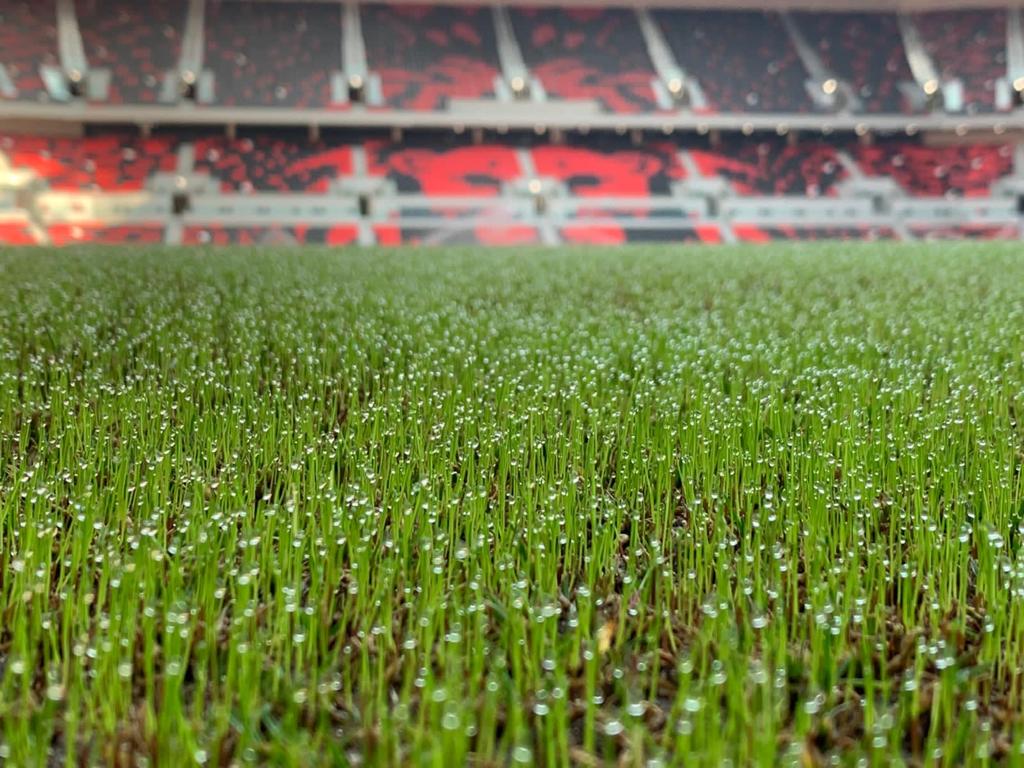
Two weeks after overseed, Cliff finds bright ryegrass sprouting in bunker faces, cart-path cracks, drain edges and the shop parking lot. The strays are funny, but they are also his report card — they show where the water, wind and cart tires have really been.
Two weeks ago we put ryegrass seed down all over this course in Ponte Vedra, neat as you please. We calibrated the spreaders, we walked our lines, we kept the rates honest. This morning I found that same bright green rye growing in a bunker face, in the crack of a cart path, around a drain grate, and in a cheerful little tuft right in the middle of the shop parking lot. The seed, apparently, did not read the plan.
That is not a complaint. That is just what overseed season does after the seed goes out. Ryegrass is eager stuff. Give it a week or so of light water and a Florida fall that cannot quite decide to cool off, and it will pop up anywhere a seed landed and got left alone. Bermuda underneath is slowing down for winter. The rye is not slowing down for anything. It comes up that almost neon green that tells you, from a cart length away, exactly where it is — and exactly where it was never supposed to be.
People ask how seed gets into a bunker. Friend, seed gets everywhere. It bounces off the spreader, catches a gust, and travels farther than any drive I have hit in years. It sticks to a wet cart tire and falls off at the turn. It lodges in a shoe tread and a pant cuff. Then our light irrigation cycles — the short drinks we run to keep seed moist — wash the strays downhill, and water always knows where downhill is. The low corner, the path crack, the drain edge: that is the seed's new home, and it settles in like it paid rent.
The greens and fairways get the glory, and they should — that first even stand of rye over the bermuda is the whole reason we do this work. But a working greens keeper reads the strays first. They are my report card. If rye is up in a damp path crack, the moisture is right. If one side of a bunker face greens up, I know where the irrigation is drifting. If the parking lot tuft is thicker than a thin spot on a tee, that tee wants more water or less traffic — and I would rather learn it from a tuft than from a bare patch in front of a Saturday crowd.
So this week the crew does the unglamorous second half of overseeding: the cleanup lap. We blow the paths and pull strays out of the bunkers by hand, a pinch at a time, because you do not spray your way out of a problem that small and you sure do not rake it deeper and call it gone. We edge around the drains so growth does not slow the water when a real rain shows up. We leave a few strays in the rough where no ball will find them. Not every blade in the wrong place is a problem, and a man who fights all of it will wear himself out before Thanksgiving.
My favorite stray this year is by the fuel pump, in a seam in the concrete where no soil ought to be. One seed found a spoonful of dust, a drip of water, and enough sun, and decided that was a fair offer. I have walked past it three mornings straight and I have not pulled it yet. There is a lesson in that little green flag that I use on new crew members: this job is not really about making grass grow. Around here, grass wants to grow. Our job is putting it in the right places, keeping it out of the wrong ones, and knowing the difference without making a federal case out of either.
By next week the fairways will look finished enough that nobody will believe they were scalped and seeded not long ago. The bunkers will be clean sand again, the paths will be plain concrete, and the only witness left will be that one tuft by the fuel pump — if I leave it. I probably will, at least until it starts asking for fertilizer. A course is a tidy place because a crew makes it tidy every morning, not because nature cooperated. The rye growing where I never planted it is just nature's way of reminding me who was here first, and who is only renting the mower.