 The Fairway Wire
Editorial
Twenty Years of Mowers Will Take Your Hearing a Little at a Time
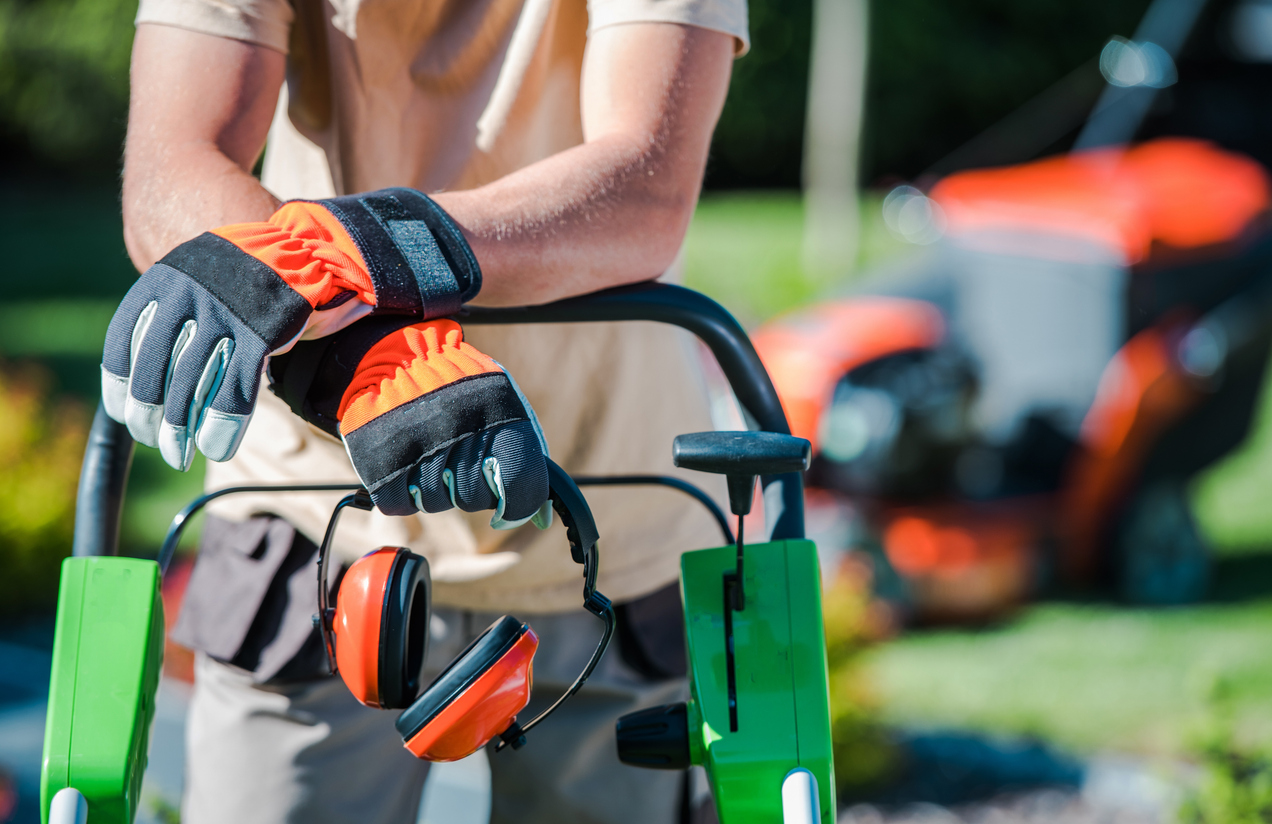
A mower at your ear runs louder than the front row of a rock concert, and I spent my young years treating that like a badge instead of a bill coming due. Here is what two decades of engines taught me about the cheapest supply in the shop, and the sounds out here I am not willing to give up.
My wife will tell you I have developed a new word lately, and the word is "Huh?" She says it sweet, the way you talk to a man you have decided to keep anyway. She will ask me something from the kitchen, I will answer a question she did not ask, and we will both stand there a second before she repeats it louder, facing me, like a woman reading a pin sheet to a man in a windstorm. I used to blame the kitchen. Kitchens are loud. Then I started saying "Huh?" in quiet rooms, and a man has to be honest with himself eventually. It is not the kitchen. It is twenty years of engines, collecting a little at a time.
Here is the part nobody tells the young guys. The machine under you is louder than you think, and it is loud for hours, not minutes. A mower at the operator's ear, a trimmer screaming up by your shoulder, a blower — the blower is the worst of the bunch, a jet engine with a handle — all of it sits right around the level where hearing starts paying for the day in small change. One loud afternoon will not do it. That is the trap. It never feels like damage while it is happening. It feels like Tuesday. The bill just gets mailed to a man twenty years older, and he opens it one "Huh?" at a time.
I was exactly the dummy this warning is built for. The shop had a box of foam plugs the whole time I have worked on a crew. I left them in the box. They itched. The muffs were hot, and this is Florida, where a man is already wearing the weather like a wet coat by seven in the morning. Worst of all were the years I ran earbuds under everything, music turned up loud enough to hear over the mower — which, if you do the arithmetic I refused to do, means the music was louder than the mower, aimed straight down the canal, all morning long. I was protecting myself from boredom by sandblasting the very thing I was supposedly saving.
What the young me did not understand is that out here, hearing is not a luxury. It is a tool, same as a wrench. I diagnose half this fleet by ear. A reel that starts to sing a half-note higher is telling you about a bearing before the bearing files its resignation in metal shavings. A belt slaps before it snaps. A hydraulic pump whines a particular whine when it is thirsty. The radio calls that run this whole place come through small and tinny, and a man who cannot pick a voice out of static is a man working half-informed. Even the sprinklers talk — that ticking, hissing rhythm tells me a head is cycling right without me walking over to look. Lose the top end of your hearing, which is what engines take first, and the whole course gets quieter in the worst way: not peaceful, just muffled, with the warnings turned down along with everything else.
I have watched where the road ends, too. Every crew and every parts counter has its older men, good men, who cup a hand behind one ear and lean in like they are listening through a fence. They laugh about it. I laughed with them for years. Then I priced hearing aids once, out of curiosity, and stopped laughing. A box of foam plugs that would protect a whole crew for a month costs less than one decent dinner out. The little machines that give a man his kitchen conversations back cost more than some of the mowers I have run. Cheapest supply in the shop, most expensive one to skip. The math is not complicated once somebody makes you look at it.
So the old dummy has new religion, and it is not fancy. Plugs on a cord, around my neck, in before the key turns — it takes four seconds, and I have timed it out of spite. Muffs in the winter, when they pull double duty keeping a Florida January morning off my ears. When a new man shows up and reaches for a trimmer bare-eared, I do not give him a speech. I just hand him a pair out of the box and keep walking. Speeches bounce off twenty-year-old ears. A pair of plugs in the hand has a better record.
I am not trying to scare anybody straight. I am trying to keep the good sounds. Because this job, for all its noise, runs on quiet ones: birds getting started before the sun does, water ticking out of a sprinkler line in the dark, that held-breath second on the first tee before a ball gets struck clean. I want every one of those at full volume for as long as I am out here, and I want to hear my family at the table without asking them to say it twice. The mowers can have a lot of things from me. They have had my mornings for twenty years. They do not get the quiet too.