 The Fairway Wire
Editorial
Those Wispy Purple Stalks on My Fairway Are Not Weeds
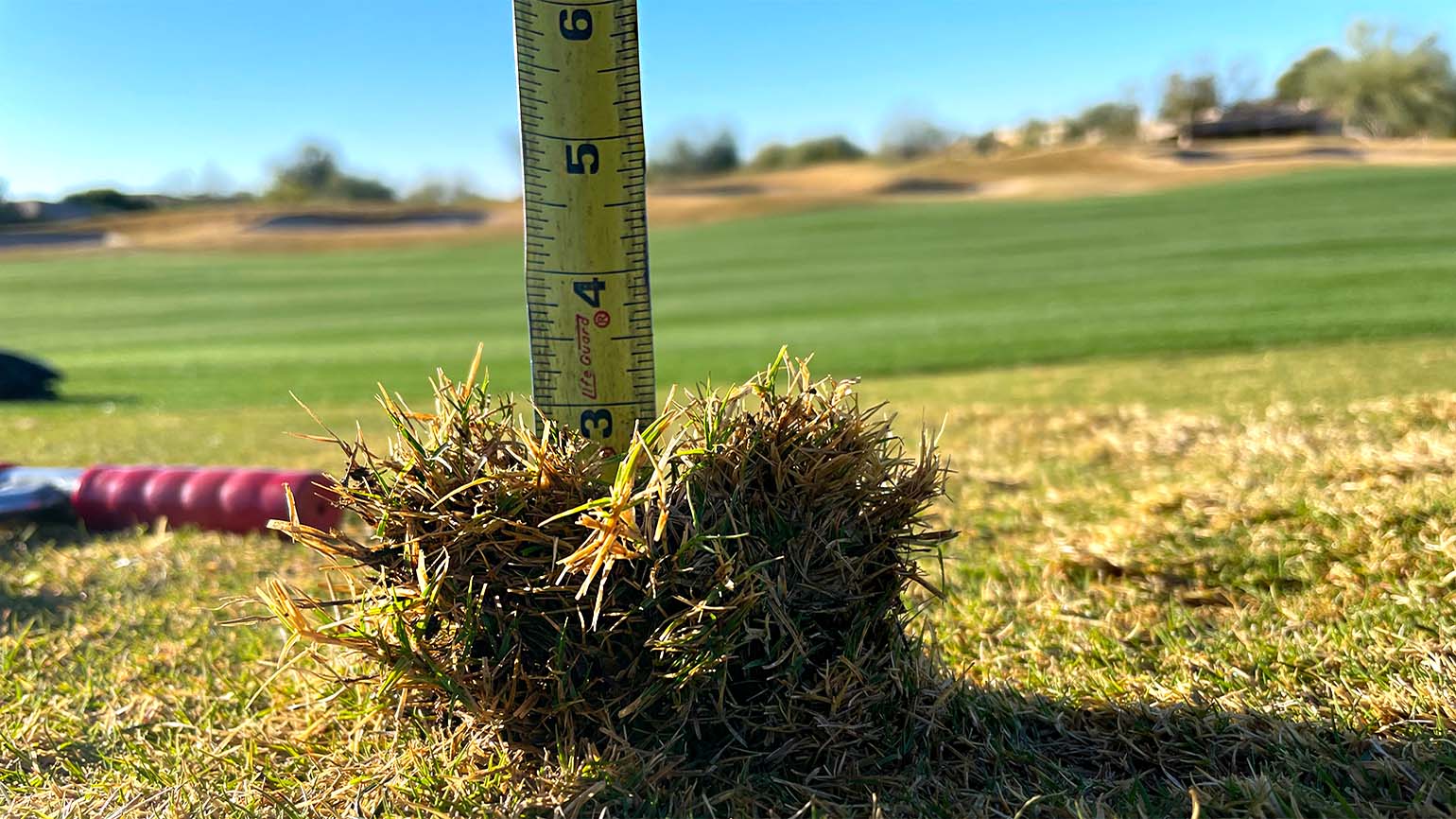
Every late spring my bermuda throws up thin purple seedheads and golfers swear the fairways have gone to weeds. I see a plant talking plain — tired from the change of seasons, and doing exactly what grass does when it thinks it needs to survive.
For about three weeks every late spring, my fairways grow a beard. Thin stalks shoot up an inch above the leaf, each one splitting into three or four little fingers, purple and bronze when the sun hits them right. From a cart they make the whole fairway look wispy and tired, like it needs a shave and a sandwich. Somebody always stops me by the second tee to deliver the diagnosis: Cliff, you have got weeds taking over out here. I do not. I have bermuda doing the oldest thing grass knows how to do. It went to seed.
A seedhead is just a flower that never learned to be pretty. The bermuda down here in Ponte Vedra spends most of the year as leaf and runner, tight and low the way we keep it. Then the days get long, the nights warm up, and the plant checks its own calendar and decides it ought to make more of itself before anything goes wrong. That instinct is older than golf. The stalk is not a different plant moving in. It is the same plant, standing up to be counted.
Here is the part that still makes me smile. On the fairways that matter most, that seed is mostly going nowhere. The fine bermudas we grow for golf are hybrids, bred for leaf and density, and their seed is largely sterile. The plant is spending real energy — water, food, sunlight it could have turned into leaf — on a family it will never have. The grass is not being lazy, and it is not being invaded. It is being optimistic in public.
Spring makes it worse here, and spring here is a crowded season. Our winter ryegrass is fading out in patches while the bermuda underneath is waking up uneven, a little green here, still sleepy there. A plant in transition is a stressed plant, and a stressed plant goes to seed harder and faster, the way it is trying to leave a note behind in case it does not make it. Add cool nights after warm days, or a dry stretch between rains, and the whole property can flush purple in four days. It looks sudden. It was building under the leaf the whole time.
Golfers ask why I do not just mow it off, and that is a fair question with a stubborn answer. I do mow it. I mow it again the next morning, too. A seed stalk is not built like a leaf. A leaf lays over and lets the blade take it clean. A stalk stands wiry and tough, bends away from the mower, and pops back up half an hour later wearing the same purple hat. Chase it by dropping the mowers lower and you have made the one trade I will not make in May: scalp the leaf that has to carry this course through a Florida summer just to win a staring contest with a stalk that was leaving on its own in two weeks anyway.
So the honest work is plainer and slower. We mow often and steady, same height, no heroics, so the canopy stays thick enough to shade the base of those stalks. We keep the plant fed light and even instead of pushing it with one big meal that only makes more stalk. We brush in the mornings where the flush is heaviest, knocking the worst of the wispy look down before the first groups come through. And we tell the truth at the first tee: it plays better than it looks, and this is the plant changing seasons, not the crew losing the plot.
Because it does pass. Give it two or three weeks of real heat and the bermuda settles into summer. Leaves take over, runners fill every thin spot the rye left behind, and one morning you drive the fairway at dawn and realize the beard is just gone. Nobody stops the cart to say the fairways look clean again. That silence is how I know we did the job right.
Next time you see that purple haze lying over a fairway, get down low before you judge it. Pull one stalk and look at those little fingers up close. That is not a weed taking your course away. That is your course, in its own awkward three weeks, doing what living grass does on its way from one season to the next. I will be out there mowing it again tomorrow, same height, same patience, waiting for summer to finish what spring started.