 The Fairway Wire
Editorial
Those Ropes Aren't There to Keep You Out. They're There to Keep the Course Alive.
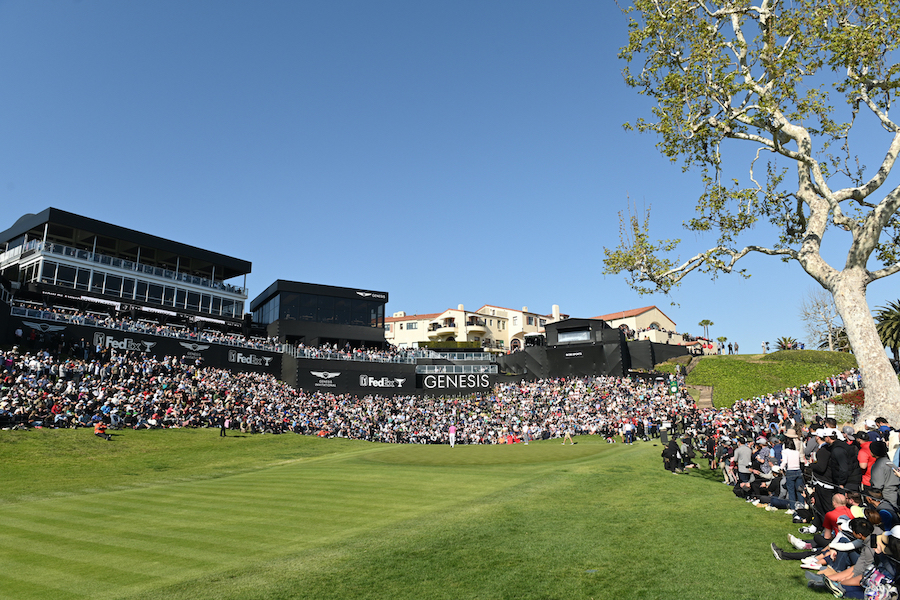
Gallery ropes look like simple crowd control, but to a tournament crew they are a week of staking, tending, and repair. I walk the miles of line we put up in the dark, what it quietly protects, and the flat, pale ribbons of rough we spend a month healing after the crowds go home.
If you have ever stood behind a gallery rope at a tournament and thought it looked simple — a few stakes, a line of rope, stay on your side — I understand. From my side, that rope is one of the hardest-working tools on the property, and putting it up right takes longer than mowing the greens it is protecting.
Tournament week, the ropes go up before most people in town are awake. We start with a plan on paper that never survives contact with the real course. This fairway needs room for people to move. That slope will turn to mud if it rains and forty thousand shoes go up it. That patch behind the green looks harmless now and will be worn to dirt by Sunday if we let everybody stand on it. So we walk it. All eighteen. Stakes in a cart, coils of rope, and a mallet that will live in somebody's hand until his forearm gives out.
There is a rhythm to it. Stake, pull it snug but not tight, stake again, step back and sight down the line like you are checking a stripe. A crooked line looks sloppy on television, but the real reason to get it straight is flow. A good rope line tells a crowd where to go without a sign or a word. It opens a crossing where golfers and carts need to get through. It closes off the shortcut everybody would take across the corner of a tee. Done right, ten thousand people move around a course they have never seen and end up in the right places. Done wrong, they end up in the flower bed.
Here is what the rope is really protecting. It is not just the good grass, though it is that too. It is the thin places. The wet corner that never quite drains. The overseeded rough that is three weeks old and holding on by hope. The surround around a green where the mower turns all week and the turf is already tired before the first fan shows up. Grass can take a lot, but it cannot take everybody standing in the same six square feet for six hours, shifting their weight, rocking back on their heels to see over the man in front. That is not spectating to a plant. That is a slow stomp, all day long.
I have watched it from the other side of the line, too. A dad lifting his boy so the kid can see a putt over the rope. That is the good part, and I do not begrudge any of it. The rope is not there because we think fans are the enemy. Half the fun of a tournament lives right up against that line. The rope just gives the course and the crowd a fair deal. You get close enough to hear a caddie talk yardage. The grass gets a fighting chance to still be grass on Monday.
Monday is the part nobody televises. The ropes come down, coil after muddy coil, and that is when you see what the week cost. Where the galleries stood, the rough is flat and pale, beaten down in long ribbons that trace exactly where the crowds walked. In wet years it is worse — bare mud in the low spots. We will aerate those ribbons, seed them, rope them off again with our own little everyday ropes, and spend weeks coaxing them back. The tournament leaves in a day. The footprints stay for a month.
All week, too, the rope needs tending. A mower cannot cross it, so we lift and move sections at dawn and put them back before the gates open. A storm will drop a limb on a line and take six stakes with it. Somebody — there is always a somebody — will duck under for a photograph two feet closer than the one he could have taken legally, and a marshal will smile and walk him back, and I will re-stake the sag he left behind. None of it makes the broadcast. All of it is the job.
So next time you lean — gently, please — on a gallery rope in Florida, spare a thought for the crew that walked that line before you got there. We were not trying to keep you out. We were trying to keep the place you came to see alive long enough for you to see it again next year, and for the Saturday players who get it back when the circus leaves town. Stand close. Enjoy it. Just remember there is grass under that line doing its best, same as us.