 The Fairway Wire
Editorial
The Wild Hogs Rototilled My Fairway Last Night, and Nobody Even Saw Them Do It
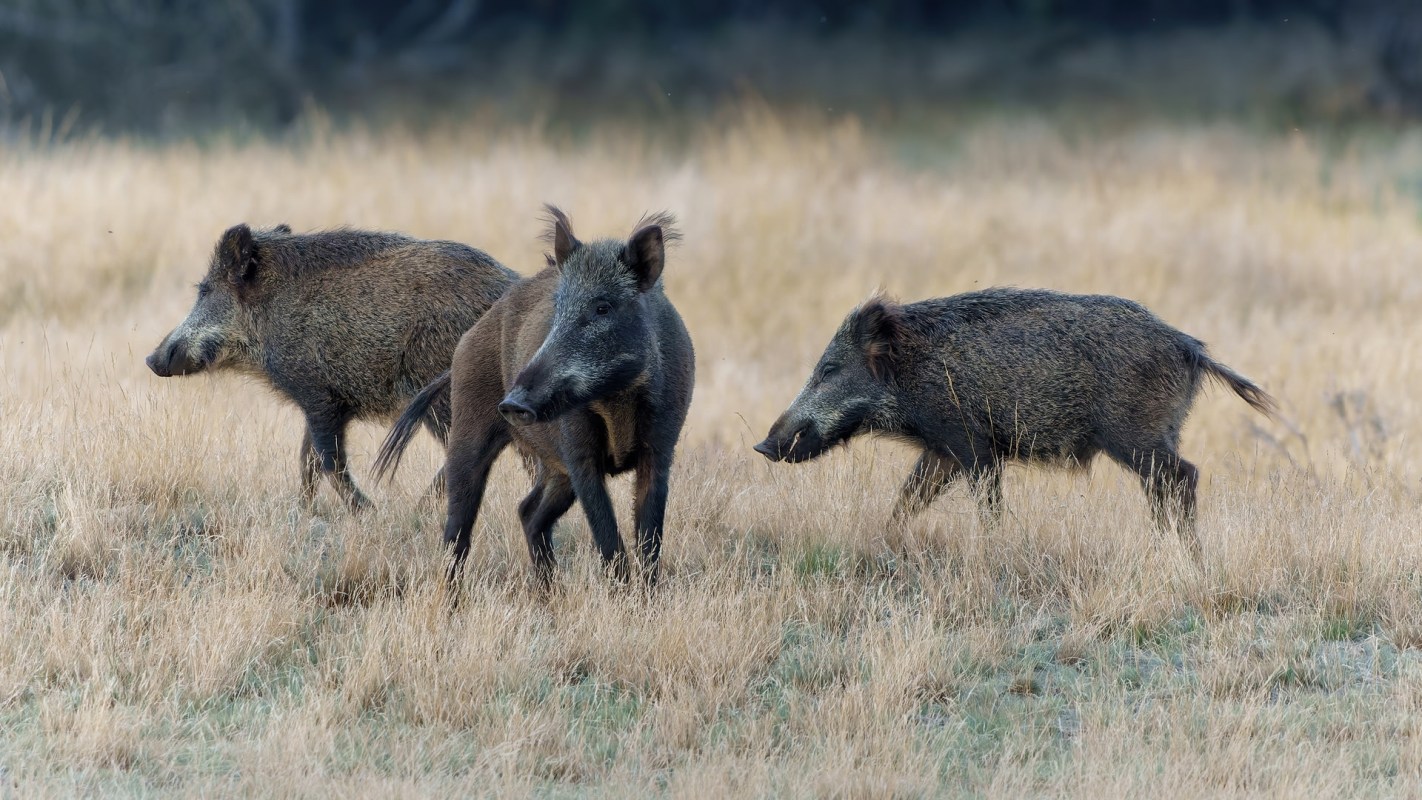
Overnight, a sounder of feral hogs peeled up fifty yards of fairway hunting grubs under the turf — and by the first tee time, my crew had raked, tamped, sodded, and rolled it back like it never happened. Here's why hogs pick fairways, why fences don't stop them, and what putting one back together actually takes.
You can read a fairway at dawn the way a deputy reads a kicked-in door. I came over the rise on the mower and the right side of the fairway looked like somebody had run a garden tiller through it overnight — turf flipped in ragged rows, dirt turned black-side up, divots the size of dinner plates for fifty yards. No storm did that. No vandal did that. Only one crew in Florida works that fast, that quiet, and that hungry. The hogs had been through.
A wild hog's snout is a shovel that thinks. That flat disk of a nose gets under turf and roots — that's the honest word, rooting — flipping the grass up to get at what's underneath: white grubs, earthworms, beetle larvae, and in the fall, acorns off the live oaks. Your fairway, to a hog, is not scenery. It's a buffet with the lid left loose. We water it, feed it, keep it soft and full of protein underneath, then act surprised when the hungriest animal in the woods treats it like a dinner reservation.
Why the fairway and not the rough? Because the rough fights back. Out in the thick stuff the roots run deep and wild and the ground bakes hard, but a fairway is irrigated, mowed tight, and tender — a hog can peel it like the skin off an orange. They work at night, a whole sounder of them, sows and last spring's young ones, and they are not dainty about it. An armadillo digs you a neat little cone-shaped hole, like a gentleman burglar picking one lock. Hogs remodel the whole street. By sunup they're back in the swamp and the marsh woods, sleeping off my grub population, and I'm standing in the wreckage.
Here's the repair, because golfers roll past a fixed hog wallow and never know it was there. First we walk it, flipping every torn flap of turf back root-side down like a puzzle, fast — a bermuda flap still attached on one edge will live if you get it home before the sun cooks it. Shredded pieces get hauled off. Then we level: fill the deep rooting with sand and topsoil, tamp, roll, tamp again, because a soft hog hole isn't just ugly — it's an ankle waiting to turn and a mower scalp waiting for me. Wide damage gets cut out square and sodded, pinned, watered in, and marked ground under repair. Then we check the sprinkler heads, because a three-hundred-pound animal standing on one will crack it or shove it crooked, and a tilted head waters the cart path for a week.
People ask why we don't just keep them out, like a fence is a magic spell. A hog treats a fence as a suggestion, and a course stitched into woods and wetlands has a hundred soft edges — creek banks, marsh crossings, maintenance roads. The real answer is a licensed trapper, big corral traps, patience, and paperwork, because feral hogs aren't native wildlife you shoo back into the trees. They're an invasive wrecking crew all over the South, out-eating everything that actually belongs here. And you never walk up on one to discuss it. A cornered hog, or a sow with striped piglets at her side, settles arguments with tusks, and she wins them. We give hogs a wider berth than the gators, and the gators have the bigger reputation.
The hogs aren't vandals. They're being hogs, doing exactly what that nose was built to do, and doing it superbly — I've tilled garden plots by hand that didn't come up that even. My crew's job is to be stubborn in the opposite direction. That morning, four of us spent two hours putting the fairway back together before the first group reached the tee: rakes, shovels, a sod cutter, one man walking the roller back and forth like he was ironing a shirt. The first foursome found their balls sitting up pretty on grass that laid flat and true, and one of them told me the course looked great. I just said thank you. Compliments land sweeter when nobody knows what the place looked like at five.
So if you ever step out at first light and find fairway that looks like it lost a plowing contest, now you know the overnight news. Somewhere back in the wet woods, a sounder of hogs is sleeping the sleep of the well fed. And between them and your tee time stands a crew with rakes, quietly un-tilling a fairway, so your only problem on that hole can go back to being the one it was always supposed to be — the shot.