 The Fairway Wire
Editorial
The Weeds I'm Fighting This Week Haven't Come Up Yet
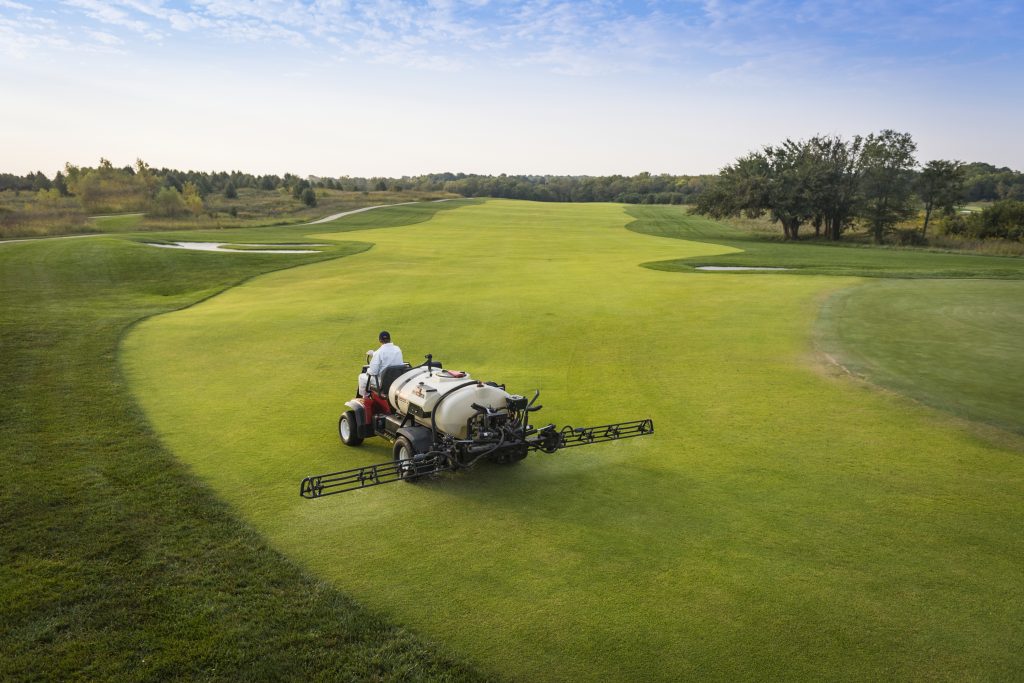
October's most important weed fight is against weeds nobody can see yet. I walk the course with a soil thermometer, lay down a barrier before annual bluegrass ever sprouts, and explain why the clean fairways golfers notice in January were won this week.
This week I am out on the fairways spraying for weeds that do not exist. Not a single one poking up anywhere you can see. If you drove past in your cart you would probably think the crew had finally lost it — all that machine, all that careful back-and-forth, all that money in the tank, aimed at plain green grass. But this is the most important weed work of the whole fall, and it only works if we do it before there is anything to look at.
The weed I am thinking about is annual bluegrass — Poa annua, if you want the name that makes it sound more respectable than it deserves. All winter it shows up in bright-green tufts in the bermuda, grows faster than everything around it after a cool rain, makes seed heads that look like tiny white flags, and then dies the first hot week of spring and leaves a bare spot behind to remember it by. By the time you can see it in January, the argument is already over. You are not preventing anything in January. You are just cleaning up.
So we fight it in October, in the dirt, where it actually lives right now as seed. Down in the top of the soil there are more weed seeds than I care to count, and they are not stupid. They are waiting on a signal. That signal is soil temperature. When the ground a couple of inches down cools into the range where summer grass slows down, those seeds wake up. The calendar on the break-room wall cannot tell me when that happens. Some Octobers in Ponte Vedra stay stubbornly warm, with afternoons that still feel like September. Some years a front rolls in off the ocean and the nights turn cool in a hurry. The grass knows the difference even if the date looks the same, so I walk around sticking a soil thermometer into the ground like a man checking whether a steak is done.
What we put down is called a preemergent, and the idea is simpler than the name. It does not poison a growing weed. It forms a thin barrier in the top layer of soil, and when a weed seed sprouts and its first little root runs into that barrier, the seedling stops. It never makes it to daylight. The bermuda that is already established has roots below all of that, so it goes about its business. Done right, nobody ever knows anything happened — which, I have learned, is the definition of most good maintenance work. The compliment is silence. Nobody walks off the fourth fairway saying, boy, there sure were not any weeds out there today.
Getting it right is fussy work. The material has to be watered in, but not washed away — a gentle run of the irrigation, not a Florida thunderstorm an hour later. The barrier has to stay unbroken, too. Dig through it at the wrong moment, and you have cut a door in a fence and then wondered how the goats got in. We also have to think hard about where we are overseeding and where we are not, because a barrier that stops a weed seed will stop grass seed just as cheerfully. It does not read labels. So the map matters: this acre gets seed, that acre gets the barrier, and heaven help the man who mixes them up.
We split the job up, too, because one application has to hold through a long, wet Florida winter, and nothing holds that long without help. It is not glamorous work. A spray rig creeping across a fairway at walking speed is about as exciting as watching paint dry — except the paint is invisible, and if we miss a strip you will not know until the tufts show up in it like a stripe we painted on purpose.
That is the part of this job I wish more golfers understood. So much of keeping a course is fighting things nobody sees yet: seeds that have not sprouted, disease that has not spotted a leaf. If we waited until the problem was visible from the tee box, we would lose most of those fights.
So if you see us out there this week treating grass that looks perfectly fine, do not worry about us. We are not confused. We are just picking a fight early, while it is still a fight we can win. Come January, when those fairways are clean and even and there is nothing out of place to notice, that will be this week's work talking. It will not say much. Around here, that is the whole point.