 The Fairway Wire
Editorial
The Wall Around My Pond Is Holding Up More Than It Looks Like
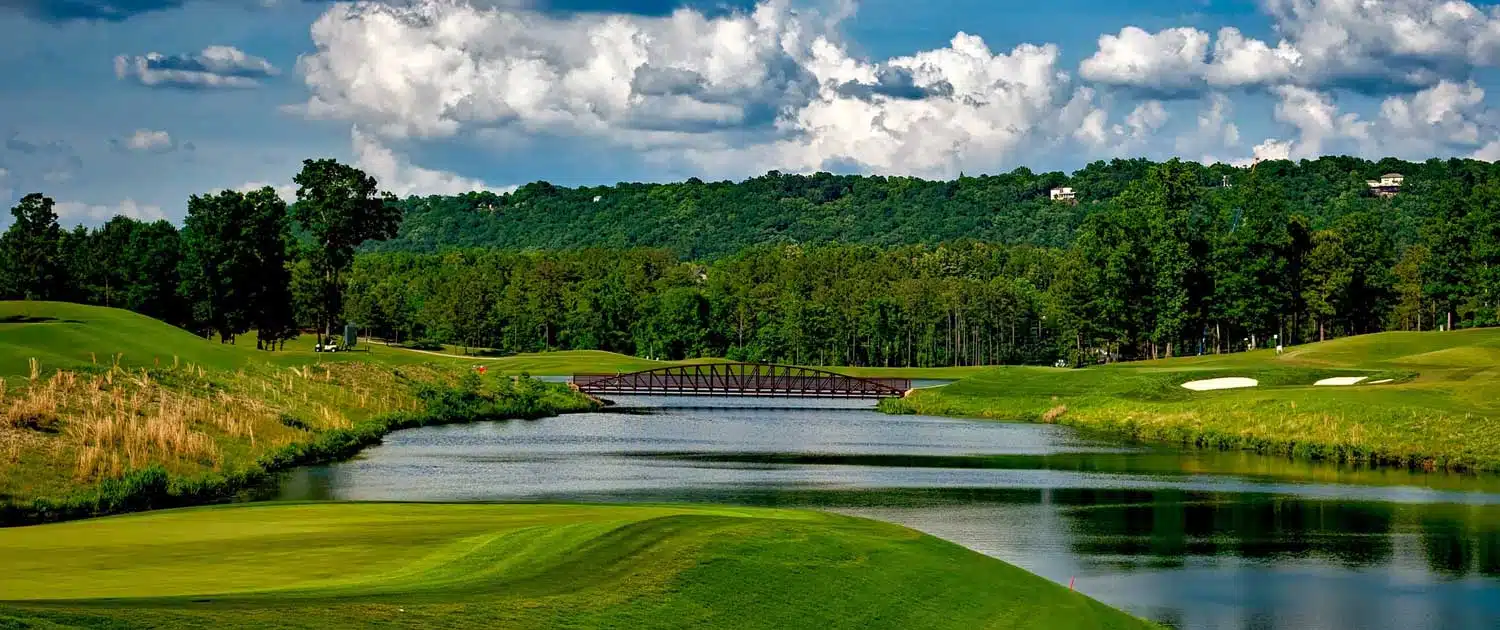
Most golfers walk past the timber wall around our ponds without a second look. I check it like a foundation, because when that wall starts to lean, the fairway behind it is already planning its move into the water.
Most golfers walk right past the timber wall around our ponds and never give it a second thought. It is just the neat wooden edge where the grass stops and the water starts, good for a photograph, good for turtles to sun themselves on, and good for losing a ball against with a clean little splash. I look at that wall the way a homeowner looks at a foundation. When it starts to lean, everything behind it is already thinking about moving.
That wall has a name. We call it a bulkhead, and its job is simple to say and hard to do. It holds back the whole bank. On one side is a fairway, a cart path, and tons of Florida sand that would love nothing better than to slide downhill. On the other side is a pond that rises and falls with every summer storm. The wall stands in the middle of that argument all day, every day, wet on one face and dry on the other, and it never gets a day off for good behavior.
Florida rain is the troublemaker. A hard afternoon storm does not just fill the pond. It soaks the bank behind the wall, washes fine sand down through any little gap it can find, and leaves the ground a touch lower than it was the day before. You will not see it happen. What you will see, weeks later, is a shallow dip in the grass a few feet back from the edge, or a cart path that suddenly has a hollow sound under your tires. That dip is the pond quietly stealing dirt through a wall that has started to fail.
So I walk the walls slow, and I carry a long screwdriver that has never fixed anything in its life. I use it as a probe. Sound timber rings solid when you tap it and fights you when you push. Rotten timber goes soft and quiet, like pushing into a wet cake. Florida is unkind to wood in water. Sun bakes the top, algae slicks the face, and the waterline, that innocent-looking stripe an inch above the pond on a calm morning, is where the board is working its hardest and rotting its fastest.
Behind the boards you cannot see the real skeleton. Long rods run back into the bank and tie the wall to buried anchors, deadmen we call them, big timbers or blocks of concrete sleeping out there under the fairway. The wall only stands straight because something you will never see is holding it back. When a rod rusts through or an anchor shifts, the wall bows out toward the water in a slow belly. A belly today is a collapsed section next summer, and a collapsed section means a backhoe, a drained bank, and a fairway closed while we rebuild what should have been caught with a screwdriver and a slow walk.
The bridges tied into those walls get the same inspection and a little less respect from golfers. A wooden bridge over a pond arm looks charming until a dewy morning turns its deck into a skating rink. Algae grows where the shade and the spray meet, invisible until a soft spike slides on it. We scrub and pressure wash those decks on a rotation, check the rails for the wobble that means a post has gone soft at the base, and look underneath before we look on top. Underneath is where wasps build in the cool shadow, where boards cup and split, and where the truth about a bridge always lives.
None of this work shows up in a picture of the course. Nobody has ever stood on a tee, looked down the fairway, and said, what a beautifully maintained bulkhead. They say it about the green, the stripes, maybe the bunker edges if we have had a good week. The wall just gets to be part of the scenery, same as the pond itself, right up until the morning it is not scenery anymore and the bank is in the water.
I do not mind that. Most honest work on a golf course is invisible when it is done right. But the next time you cross one of our little bridges, or watch a turtle slide off that timber edge ahead of your ball, spare a thought for the wall doing its quiet job under your feet. It is holding up the bank, the path, and a good piece of the fairway you are about to play. All it asks in return is a slow walk, a sharp eye, and a screwdriver that has never fixed a thing.