 The Fairway Wire
Editorial
The Vultures Are the Only Crew on This Course Allowed to Wait for the Sun
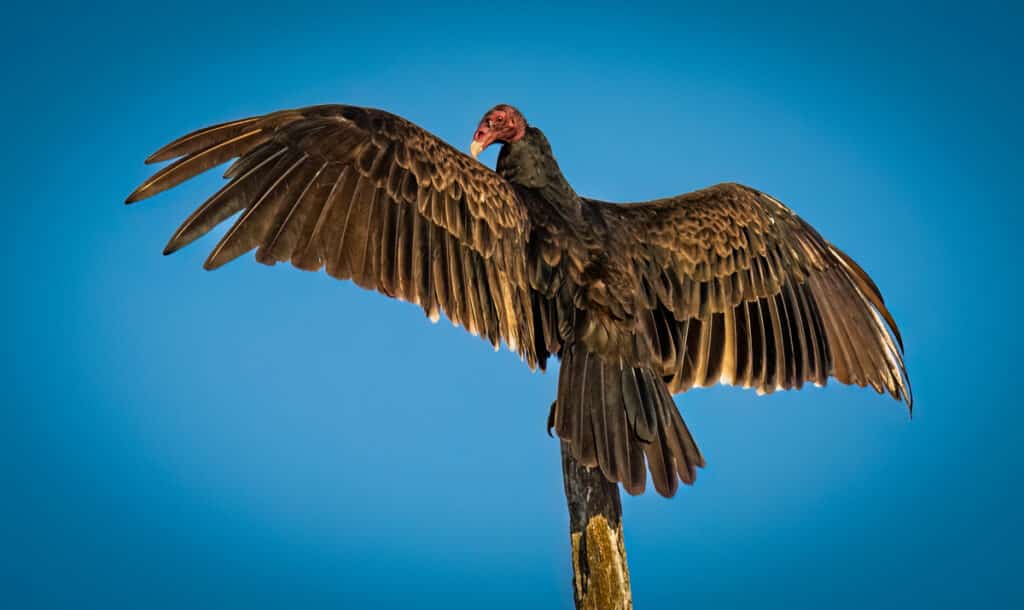
Before my crew finishes its first fairway by headlights, the vultures in the dead pine behind the fourteenth tee are still sitting in a row, wings spread wide to dry the dew and catch the first heat. They cannot fly until the sun builds the rising air they ride, and once they climb, they do the cleanup work nobody else on this course volunteers for.
My crew starts work in the dark. That is the deal, and November does not soften it — the alarm still goes off while the streetlights are on, the shop coffee still tastes like it was made the night before, and the first fairway still gets cut by headlights. So you can understand my feelings, around seven in the morning, when I roll past the dead pine behind the fourteenth tee and see the other crew just sitting there, in no hurry whatsoever, waiting for the sun before they lift a wing.
That other crew is the vultures. We have two kinds here in Ponte Vedra. The turkey vultures are the big ones with bare red heads, and they teeter when they fly, wings held up in a shallow V, rocking like a canoe. The black vultures are smaller, gray-headed, with a white patch near each wingtip that flashes when they flap — and they do flap, hard, because they are built less like gliders and more like determination. Both kinds roost together overnight in the tall dead trees and on the range light poles, a dozen in a row.
Come first light, they do the pose nobody forgets. A vulture climbs to the top of a snag or a post, faces the morning, and spreads those enormous wings straight out to both sides, then just stands there. Scientists have a fine name for it — the horaltic pose — and good reasons: it dries the dew off their feathers, warms a cold bird up to working temperature, and sunlight helps bake off the germs a bird picks up doing the job it does. In plain greens keeper language, it looks like a man airing out his shirt after a long night. In November, when the dew soaks my boots through, I pass that row of outstretched wings and I get it.
The honest truth is they cannot clock in early even if they want to. A vulture flies by borrowing rising air, and rising air needs warm ground under a climbing sun. On a still, cold morning there is nothing to borrow yet, so the big birds sit, and wait, and watch my crew do the part of the day that cannot wait. By nine or ten, when the fairways start giving back heat, the first one steps off the pine and finds a thermal, and then the whole committee follows — committee is the real word for a group of them sitting together, and I have never heard a better one — circling slow over the ponds without a wingbeat, up until they are specks. In the fall, when migrants move down through Florida, that rising kettle is the prettiest free show this course puts on, and most golfers never look up to see it.
Now, I know what they eat, and I will not dress it up at the breakfast table. Their job is the dead stuff: the fish kill after a hot spell turns a pond, the raccoon that did not make it across the entrance road, the possum in the rough my mower would have found the hard way. Nobody else volunteers for that work, and if nobody did it, this place would be worse and sicker inside a week. A vulture's stomach is so strong it destroys the bad things it swallows, so every cleanup is one less sickness left lying around for the herons, the raccoons, and us. They are protected by law, they do not hunt live animals, and I have never seen one threaten a golfer. The worst charge I can file is that a black vulture once spent a morning tearing at the rubber seal on a parked cart, because rubber, to them, is a toy.
Golfers give them a wide, nervous berth, mostly on looks, and I understand that too. A six-foot wingspan unfolding over your tee shot will get your attention. But I have come to see that row of birds as fellow tradesmen. Every workplace has a crew that does the filthy, necessary job nobody puts on a brochure. Mine cuts grass in the dark so the course looks untouched. Theirs removes what death leaves behind so the course stays clean. The only real difference between us is scheduling. My crew is not allowed to wait for the sun. Watching them hold their wings out to it, patient as saints, I have decided that is not laziness. That is a crew that knows what its work needs, and refuses to start before it can do the work right. There are mornings I could stand to learn from that — preferably with coffee, right alongside them.