 The Fairway Wire
Editorial
The Seagulls at the Turn Have Learned Exactly When You Leave Your Cart
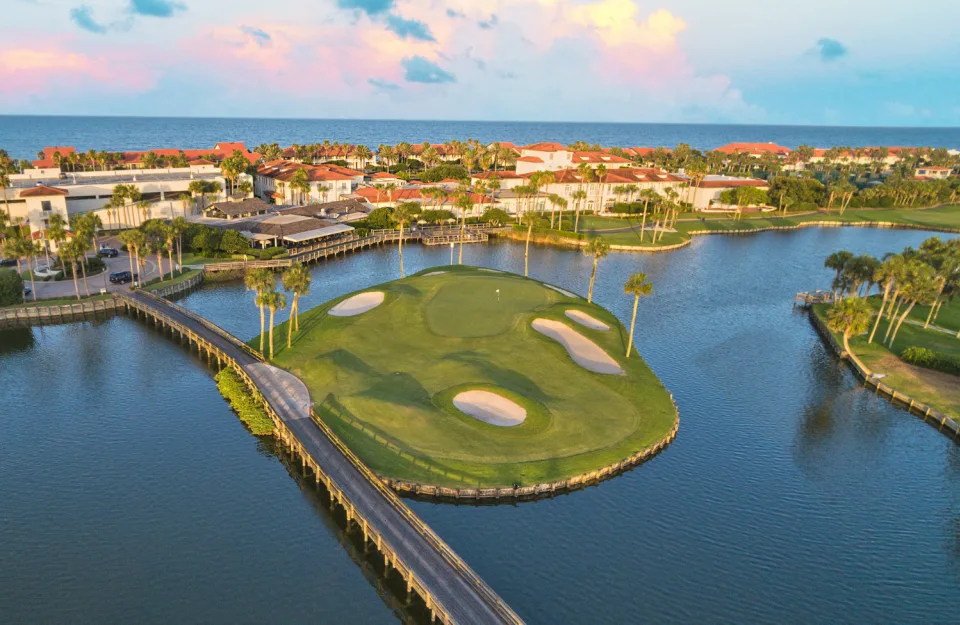
Out here by the ocean, the regulars at the turn are not all golfers. I clean up their little crime scenes every morning, and I have learned exactly what a seagull will steal, what it will leave behind, and why one tossed fry can change a whole flock.
Every course this close to the ocean has two populations. One of them paid for a tee time. The other one has wings, a perfect memory for snack food, and no respect at all for the fact that your sandwich was not a donation.
I am talking about the seagulls at the turn. Not the whole beach flock, either. A course gets its regulars, same as a bar does. Ours hang around the snack area, posted up on the fence posts like they are waiting on a table. They are waiting, all right — on you to walk twenty steps away from your cart.
These birds have studied your routine better than you have. You pull up at the turn, buy something wrapped and salty, set it on the seat, and walk to the next tee with your mind on the water down the left. That walk is the whole heist. A gull needs about eleven seconds, one good swoop, and a beak that works like pliers somebody taught to fly.
I know, because I clean up the evidence before most golfers ever see it. Torn chip bags in the rough. A cracker sleeve split down the middle and emptied clean, lying in the fairway I just mowed like a little crime scene. Napkins pulled out of the trash and scattered across two holes. Once I found half a hot dog bun in a bunker, raked in by nobody, delivered by air. The golfer never even knew where his lunch went. He probably blamed the wind. Friend, the wind around here has feathers.
What they take tells you everything about their character. Chips go first. Crackers, fries, the end of a sandwich, anything in a bag that crinkles — gone. I have watched a gull work a zipper bag with its beak, patient as a safe cracker, while the foursome stood on the green arguing about a putt. And I will tell you the funniest part, because it is true on every course on this coast: the apple never gets touched. The banana rides home safe every single time. These birds did not fly all the way from the beach to eat healthy. They came for the salt.
We have tried to stay ahead of them, and I say tried with feeling. The cans by the turn got lids. The lids got heavier. Then the gulls learned to sit on the rim, wait for a golfer to lift the lid, and take the handout straight out of the trash like a drive-through window. You cannot out-engineer an animal whose whole day is free. We have jobs. They have one job, and it is your lunch.
Feeding them on purpose is where it goes from funny to a real problem. One golfer tosses one fry to one cute bird, and that bird tells forty relatives before the group reaches the next tee. By the weekend the flock is bold enough to land on carts and leave their white opinions all over the benches, the tee signs, and once, in a display I almost respected, straight down a ball washer. A fed gull is not a tame gull. A fed gull is a confident one, and confidence is the last thing that beak needs.
Now, I will say this for them: they were here first, and they do a kind of work. A dropped crust does not last ten minutes here, and that cleanup crew never calls in sick. They belong to this coast the same way the egrets do. It is just that the egret follows my mower for the bugs I stir up, honest pay for honest work, and the gull follows your cart for the chips you paid for. One of them is a coworker. The other is a con artist with a beautiful view.
So tuck the bag under the seat. Zip the pocket shut, put a towel over the basket, and do not leave the goods sitting in the sun like a buffet with your name on the tee sheet. Then, when you come back from the green and something is still missing, do not go blaming your playing partner right away. Look up first. He is probably sitting on the nearest post, full as a tick, watching you figure it out — waiting, patient as ever, for the next cart to roll in.