 The Fairway Wire
Editorial
The Rough Isn't Neglected. I Grew It That Way on Purpose.
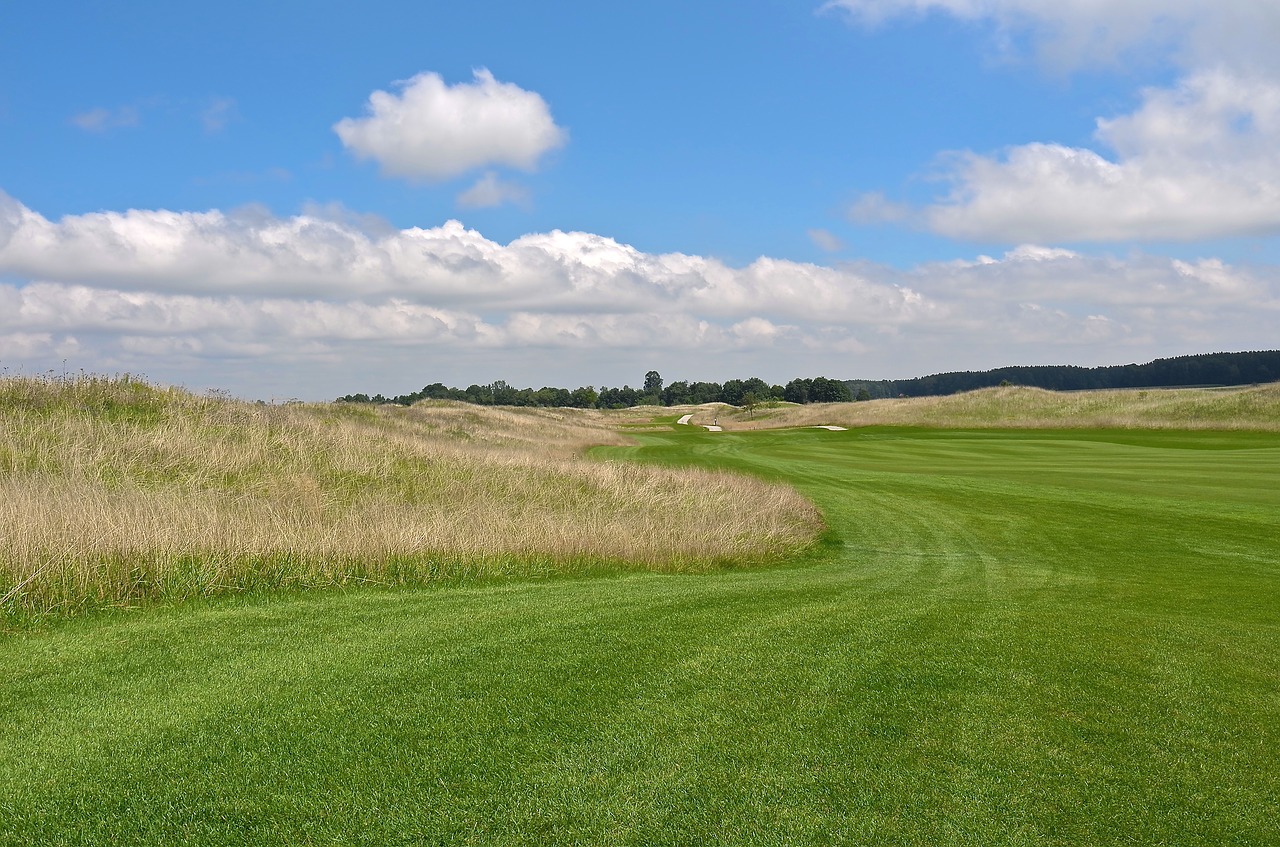
Golfers keep reporting the rough on seven like it is an oversight. From the mower seat, that height is a decision — about penalty, pace of play, pond banks, and what Florida bermuda can survive in August.
Every week somebody finds me on a turn and delivers the same helpful report, usually with a thumb pointed over a shoulder. The rough on seven is getting up there. I nod, because he is not wrong about the height. I just wish I could make him see the part he is missing. That rough is not up there because we forgot it, ran out of time, or lost a mower in a pond. It is up there because I left it that way on purpose, and there is a whole morning of thinking behind that decision.
Out here in Florida, rough is a negotiation that never ends. Cut bermuda too low in the heat and it thins out, sulks, and lets every weed in the county move in like it pays rent. Let it go too high and you have not built a hazard, you have built a lost-ball factory that slows the whole course down behind one man hunting in grass up to his shins. Somewhere between scalped and jungle is the honest number — high enough to make you think twice about firing at a tucked pin, low enough that you can find your ball, take your medicine, and keep the round moving. Finding that number, and holding it through a wet week when the grass grows while you watch it, is most of my job in the summer.
People talk about rough like it is one thing. It is not. The first cut framing the fairway is a friendly warning, kept a touch higher so your ball sits up and you still have a shot you can talk yourself into. Get farther out, under the trees and around the greens, and the grass gets a different assignment. Around a green, taller rough is the course asking a question: did you miss on the correct side, or did you miss where you had no business missing? A chip out of thick grass does not check and release the way it does off a tight lie, and that is not cruelty. That is the architecture working exactly as the man who drew it intended, long before I ever turned a key out here.
I also grow rough for reasons that have nothing to do with your scorecard. Thick grass holds a bank together when an afternoon storm tries to wash it into a pond. It slows water down, traps the sand and soil that would otherwise cloud the water, and gives the edges of this place a spine. It is shade for roots in August, cover for the little critters that keep the ponds honest, and a buffer that catches a sprayer pass or a fertilizer granule before either one can wander where it does not belong. The rough is a big part of how this living Florida ground stays alive between the lines we paint for golf.
None of that means every patch of tall grass you find deserves a defense. I know the difference between our plan and our problem, even if they look the same from a cart seat. A wet low spot we cannot get a mower into for three days will embarrass us, and I will be the first to say so. A shady corner under the oaks grows thin and tall at the same time, stringy instead of thick, and balls sit down in it worse than in honest rough twice its height. When you point at one of those spots, you are right, and I already have it on my list.
So here is the deal I will offer any golfer willing to hear it. When you land in the rough and your ball is sitting down just enough to make you choose the smart club instead of the heroic one, that is not neglect talking. That is me, from about five o'clock this morning, setting the terms of the hole the way a course is supposed to set them. The fairway is the reward for a good shot. The rough is the receipt for a loose one. If both of them played the same, there would not be much reason to aim.
Play it as it lies, take the extra half-club of patience, and get it back to the short grass. That is all the rough ever asked of anybody. And if it truly looks wild on seven next week, tell me again. Odds are I will nod, point my thumb over my own shoulder, and say the truest thing a greens keeper can say in Florida: give it two dry days, and watch how fast on purpose can look perfect.