 The Fairway Wire
Editorial
The Magnolia Leaves on This Course Do Not Rot, Do Not Shred, and Do Not Care About My Schedule
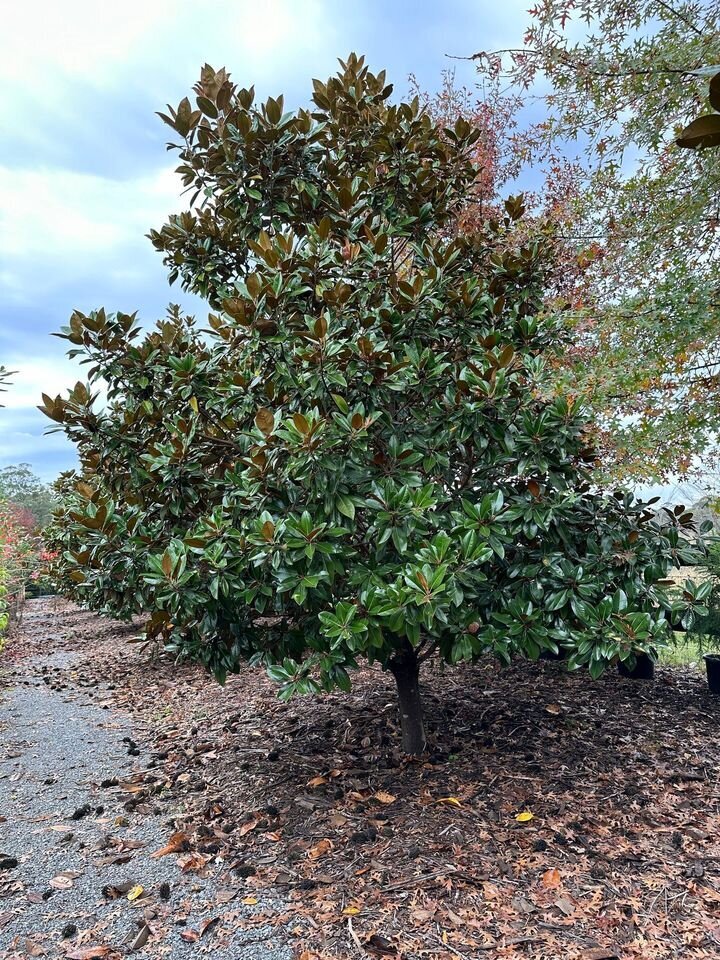
A southern magnolia is a postcard from the cart and a workload from the mower seat. Its waxy leaves refuse to rot or shred, smothering young rye until a crew rakes them by hand, and its hard November cones must be picked up before any blade passes underneath.
Every golfer loves our magnolia trees, and I understand why. In May the flowers are the size of dinner plates and smell better than anything else in Ponte Vedra. The shade under one at noon is a full ten degrees kinder than the sun. From a cart, a magnolia is pure Southern postcard. From my mower seat in November, that same tree is a landlord that pays no rent and drops its trash all over my yard, one leather leaf and one wooden cone at a time.
Start with the leaf itself, because a magnolia leaf is not really a leaf in the way an oak makes leaves. It is a piece of equipment. Thick, stiff, and coated in wax on top, with a rusty brown felt underneath, it can lie on wet ground for a year and still look nearly new when you pick it up. That toughness is the tree protecting itself from heat and drought, and I respect the engineering. I just wish the engineering did not land on my grass. A normal leaf dries, crumbles, and feeds the soil. A magnolia leaf sits there like a little green roof, and whatever grass lives under it goes pale and thin from no sun and no air.
That is why I cannot simply mow over them and call it mulching, the way I can with lighter litter. My deck either spits a magnolia leaf out whole, barely nicked, or folds it into a damp clump that sticks to the turf and starts a bare spot with my name on it. A blanket of them under the canopy will smother overseeded rye in a matter of days, right in the season when that rye is young and every square foot counts. So the job under a magnolia is hand work: a rake, a bucket, and a man walking slow circles in the shade, picking up leaves that feel like they were cut from a belt.
Then there are the cones, and November is cone season in earnest. The fruit of that pretty May flower ripens into a hard, woody pod about as long as my thumb and built like a pine cone's tougher cousin. When one drops into the turf and my mower finds it before I do, everybody knows. There is a thunk you feel in your teeth, the cone fires off into the rough like it was shot there, and I get to check a blade edge for a fresh nick. A cone can roll an ankle, too, for a walker looking at a green instead of the ground. So before any mower passes under those trees this month, somebody walks the drip line first and fills a bucket by hand. It is not glamorous. It is just the toll the tree charges.
The blower, which saves me on nearly every other cleanup job we have, is only half a friend here. A dry magnolia leaf on a cart path catches air and tumbles end over end like a tiny sailboat with no skipper, which is fine. A wet one seals itself flat to the pavement and will not budge until you scuff it loose with a boot toe. Wet magnolia leaves on a path are also slick as soap, and a golfer in soft spikes deserves a warning we cannot paint on every leaf. So we clear the paths under them first, before the earliest tee times, and we clear them again after a windy night, because the tree works the night shift too.
None of this is a complaint I would trade away, and I want that on the record before somebody suggests a saw. Those trees were shade here before I was, they cool the crew at lunch, they hold nests all spring, and that May smell drifting across a fairway at seven in the morning is half the reason this job beats working indoors. Every fine thing on a golf course sends the crew a bill in some other season. The magnolia just sends hers in November, itemized in leaves that refuse to rot and cones that refuse to move, and my crew pays it with rakes and buckets and patience.
So if you play here this month and see one of us under a magnolia, gathering what looks like a pile of leather scraps, that is not a man behind on his work. That is a man keeping a promise the tree made in May, when it was all flowers and perfume, that somebody would be back in the fall to settle up.