 The Fairway Wire
Editorial
The Little Moths at Dusk Do Not Eat My Grass. Their Children Do.
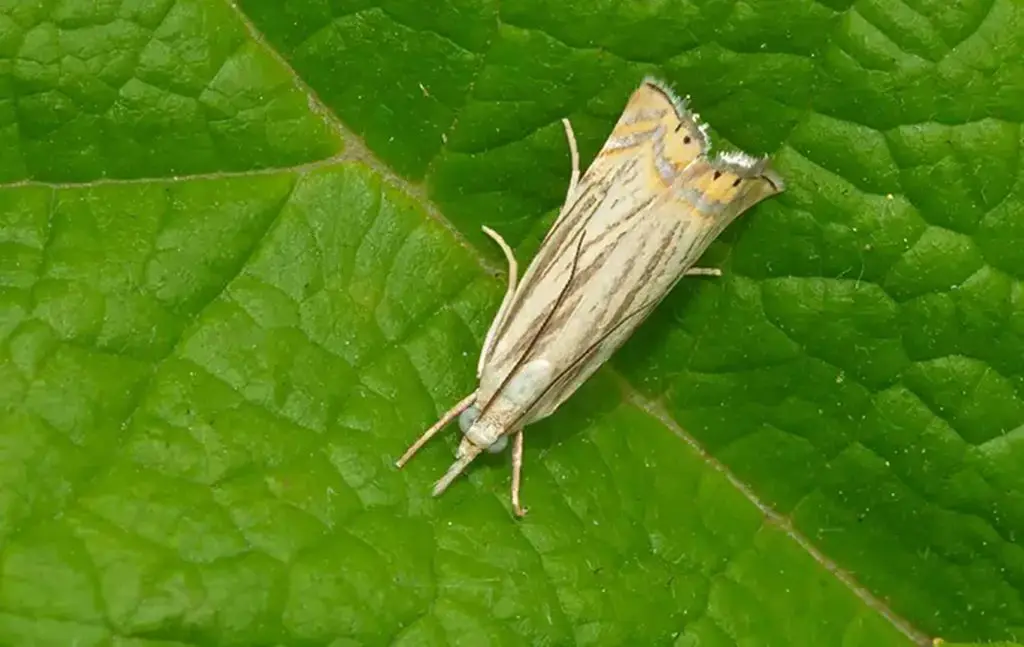
Walk a Florida fairway at dusk in the fall and little tan moths lift off the grass ahead of your boots, there one second and gone the next. I count those moths the way you count warning lights on a dashboard, and I show what their young are doing to the turf at night and the bucket of soapy water that tells me the truth by morning.
Walk one of my fairways at dusk in the fall and you will meet them before you see them. Little tan moths, no bigger than the end of your thumb, lift off the grass ahead of your boots, zigzag a few feet like a drunk trying to act sober, and drop back down. Most golfers never notice them. Most homeowners wave at them and walk on. I count them the way you count warning lights on a dashboard. One or two is a quiet evening. A whole cloud of them rising off one fairway is a message, and the message is not good.
The moths themselves do not eat a single blade. That job belongs to their children. A mother moth spends those warm nights laying eggs in the grass, and what hatches out is a sod webworm — a small, greenish caterpillar with dark spots, partial to hiding all day down in the thatch where nobody can see it. Come dark, it climbs up and eats. Not the roots. The blades themselves, chewed off close, one mouthful at a time, all night long. One caterpillar is a nibble. A few hundred on one patch is a crew working the night shift against me, and they do not take weekends.
By morning the patch tells on them, if you know the language. It looks scalped, yellow-brown and ragged, like a mower with a dull blade went through, or a dry spot begging for water. That is the trap. I have watched men blame the mower, blame the heat, blame the last fertilizer pass, and throw water at a patch that was never thirsty. The grass in a webworm patch is not dying from the bottom up. It has been eaten from the top down, and the crowns down below are usually still alive, still willing, if I can stop the chewing before it spreads.
The birds figured this out long before I did. When I see birds working one small patch of fairway in the morning, pecking and hopping like they found money in the grass, I do not think of it as a nature show. I think of it as a tip from an informant. They are down there eating the caterpillars I cannot see, and they are telling me exactly which patch to check first. The egrets follow my mower for the same reason. Out here, everything that eats bugs keeps a map of my course, and their map is better than mine.
So I carry a cheap test in a bucket, and it has never lied to me. A little dish soap mixed in water, poured slow over the edge of a sick patch, right where the bad grass meets the good. The soap bothers what is hiding in the thatch, and within a few minutes the caterpillars wriggle up to the surface, green and spotted and caught in the act. No guessing, no blaming the mower. Ten come up, I have a problem worth treating. None come up, I go looking for a different cause and leave that patch alone. A bucket of soapy water has saved this course more wasted passes than any gadget I own.
November makes it personal, because the new overseed is up now and baby rye is tender. Tender is a polite word. To a webworm, fresh rye is a soft supper laid out in rows, and warm Ponte Vedra nights can stretch their season later than the calendar says it should run. So on the warm evenings I walk a little slower on the way back to the shop, watching what rises off the grass ahead of the cart. If the moths are up in numbers, I mark the spot in my head, flush it in the morning, and treat only the patch that earned it, at dusk, when the caterpillars are out feeding. The rest of the course gets left alone to its birds and its balance.
That is the whole secret, and it is not much of one. The smallest damage on a golf course rarely announces itself loud. It comes in quiet, at ankle height, after dark, in the care of a moth so plain you would step past her without a glance. My job is mostly paying attention before the little troubles grow teeth. The moths at dusk are talking. After all these years, I have learned to listen before their children sit down to supper.