 The Fairway Wire
Editorial
The Little Colored Nozzle in My Sprinkler Head Decides How Much Water Your Lie Gets
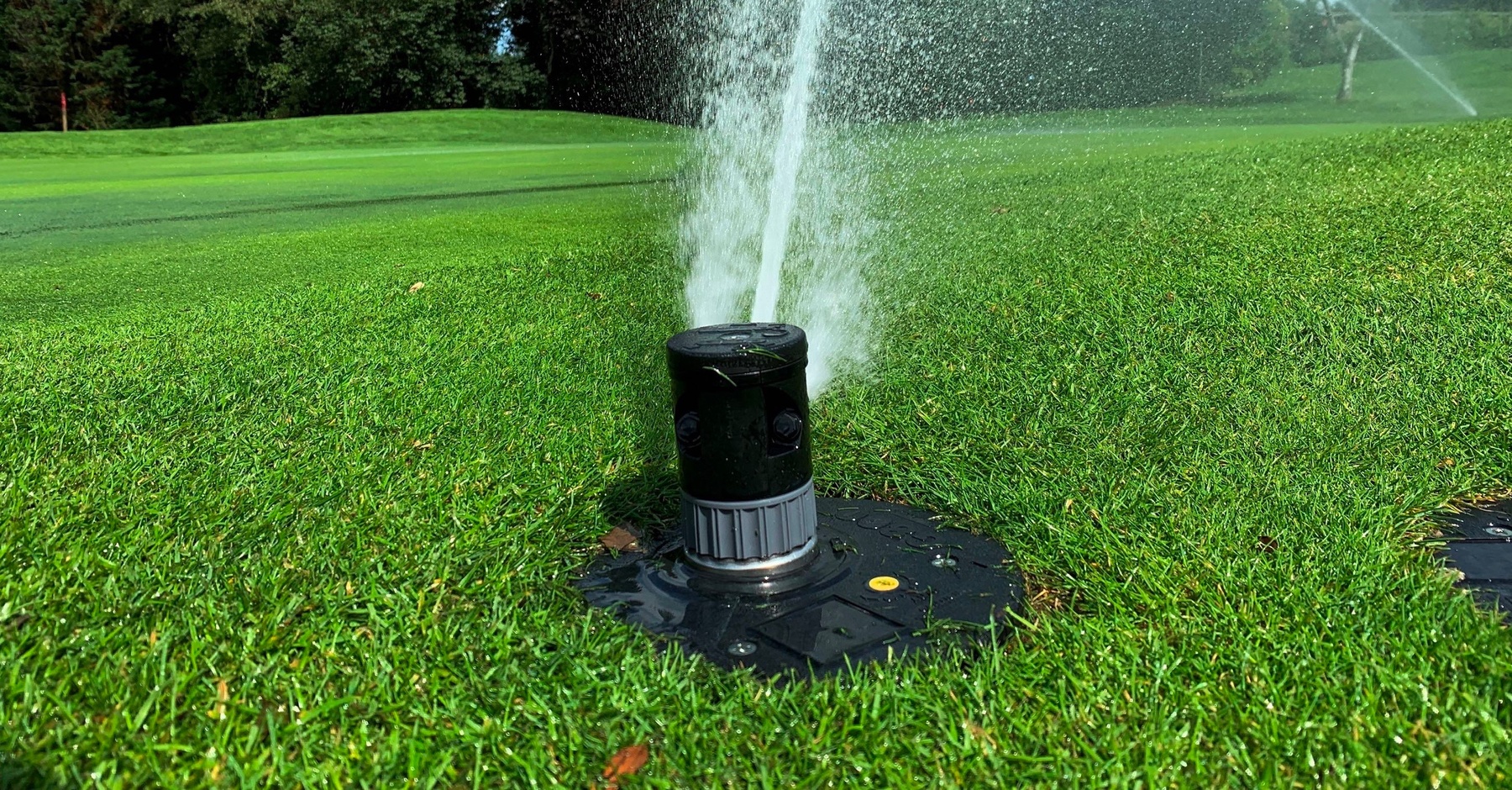
Inside every sprinkler head on my course sits a colored plastic nozzle the size of a thumbnail, and that little part decides how much water each patch of turf gets. Get the color wrong, or let one grain of sand lodge in it, and the grass files its complaint in dry rings and spongy lies within a week.
Pop open one of my sprinkler heads — yes, there is a trick to the lid — and inside you will find the smallest boss on this whole golf course. It is a plastic nozzle the size of your thumbnail, and it comes in colors, like candy. Red, blue, green, gray, black. Those colors are not decoration. Each is a different size opening, and that opening decides how many gallons a minute come out of that head, how far the water throws, and whether the patch in front of it lives fat and happy or goes thin and thirsty while its neighbor drowns. Your lie, the one you are standing over complaining about, was decided by a thumbnail of colored plastic I swapped out with pliers, probably in the dark.
A sprinkler head is really just a door. The water shows up with all the pressure the pump station can give it, and the nozzle is the size of the doorway it squeezes through. Small nozzle, less water, shorter throw. Big nozzle, a fire hose with ambitions. So when I walk a fairway, I am looking at a map of doorways, and my job is to size every one for the ground it waters. The head on a slope gets a different nozzle than the one in the low corner where water puddles. The head fighting the afternoon wind off the ocean here in Ponte Vedra gets sized up a touch, because half its throw lands where the wind chose. The one in oak shade, where the ground stays damp till noon, gets sized down — that patch needs a drink, not a bath.
Get one wrong and the grass files its complaint in about a week, in a language anybody can read. Too small, and you get a dry ring — a perfect thirsty donut out where the throw falls short, with green in the middle and green at the edges where the next head over reaches. Too big, and you get the opposite sermon: soft, spongy turf that scalps under the mower, algae slick as ice, and a lie so wet your ball sits down in it like it is tired. I have chased both. A man will spend three days adjusting run times on a computer, swearing the schedule is off, before he kneels down, pops a lid, and finds out somebody — and I will not name names, but his initials are mine — put a blue nozzle where a gray one belonged during a hurry-up repair in July.
The sneakiest enemy of the nozzle is not the wrong color. It is trash. A grain of sand, a flake of rust off an old pipe, a bit of shell from our well water — any of it can lodge in that little opening and bend the whole stream sideways. The head still pops up. It still rotates, proud as you please. But instead of a clean fan of water it throws a crooked finger of it, soaking one stripe and starving the rest, and from the cart path it looks like it is working fine. That is why you will see me out there at first light standing in a sprinkler's throw getting wet on purpose, watching the pattern. You cannot judge a nozzle from dry land. You judge it the way the grass does, standing in it.
Changing one is five minutes of work and forty minutes of everything around it. Dig out the grass grown over the lid — it always has, because grass holds a grudge against access. Keep dirt out of the open body, because one shovelful of sand down that hole becomes next month's clog in three other heads. Swap the nozzle, set the arc so it is not watering the cart path, the bunker, or the pond — water grows grass, not sand — then run it, walk the throw end to end, and only then bury it and stomp the turf down like you were never there. Multiply that by hundreds of heads on eighteen holes and you see why irrigation men talk about nozzles the way carpenters talk about saw blades. It is the little cheap part that does the actual cutting.
So here is my standing request, from a working greens keeper in Jacksonville to anybody who has watched a sprinkler come on at dusk and thought it looked simple and pretty. It is pretty. It is not simple. Every arc shining in the low sun is a decision somebody made kneeling in the dirt with pliers in his teeth — how much, how far, which color. When your ball lands in grass that is green and firm all the way across a fairway, not just in stripes, tip your cap to the thumbnails. The smallest parts on the course are carrying the whole place on their little colored shoulders.