 The Fairway Wire
Editorial
The Light-Green Patches in My Overseed Are Not Rye — That Is Poa Moving In for the Winter
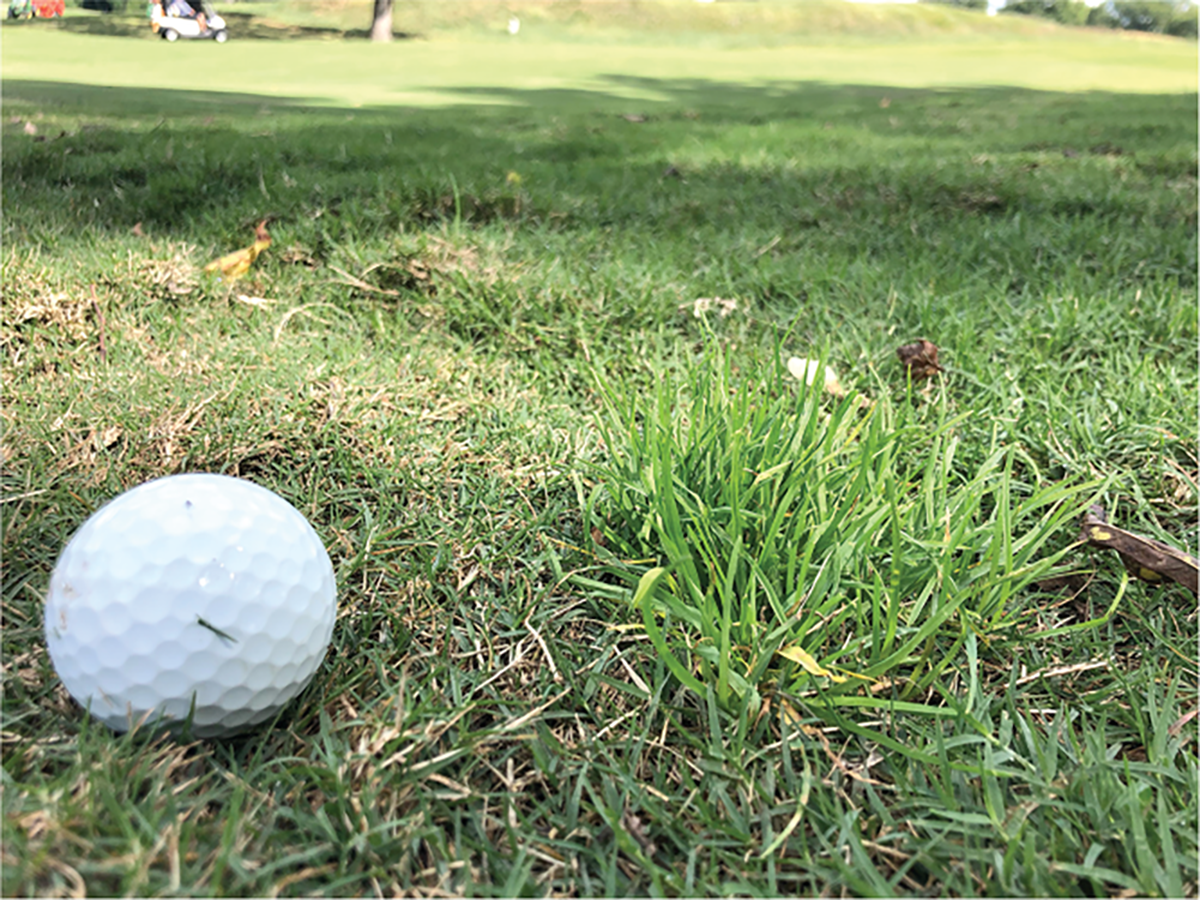
Every November, bright apple-green patches show up in my overseeded ryegrass — and they are not rye. That is Poa annua, annual bluegrass, a patient winter weed whose seed wakes up the moment the soil cools, and whose worst trick is seeding itself even at putting height.
Some morning this week, right around the time the coffee kicks in, I will spot the first one: a patch of grass on a fairway that is the wrong green. Not brown, not sick — brighter. Apple-green, almost cheerful, sitting in the middle of my overseeded ryegrass like a kid wearing a neon shirt in a class photo. That is Poa annua, annual bluegrass, and it did not wait for an invitation. It never does. November is its moving season, and my course is its winter rental.
Poa is the most successful freeloader in turf. All summer long it is nothing — no plant, no leaf, just seed asleep in my soil, seed that can wait years for its moment. Its moment is a soil thermometer. When the ground cools down under about seventy degrees, which around Ponte Vedra happens right about now, those seeds wake up by the thousands. I can set my fall calendar by it. The rye comes up, the bermuda underneath goes quiet and tan, the course turns that deep winter green golfers drive out here to see — and underneath all of it, invisible, the poa is germinating in the dark.
Here is the part that makes a superintendent talk to himself: I cannot simply block it. The pre-emergent products that stop poa seed from sprouting do not read labels. They stop grass seed, period — including the ryegrass I just paid good money to spread. Spray early and I have blocked my own overseed. Seed first and wait, and the poa moves in right alongside the rye, two tenants racing for the same apartment. Every Florida crew chief I know plays this timing game every fall, and every one of us loses a few patches. The honest goal is not zero poa. The honest goal is poa that a golfer cannot see from a moving cart.
You learn to read where it will show up before it does. Poa loves what golfers do to a course: wet ground, packed ground, and worn ground. Cart-path entrances. The walk-off area behind a green where every foursome exits the same six feet of grass. The low spot that holds water a day longer than everywhere else. Around sprinkler heads, where the soil stays soft. If I want a map of next month's poa, I just walk this month's traffic. The weed is basically a report on our habits, written in lime green.
And it has one trick no grass I manage can match. Poa will make seed at any height — including putting height. Mow it at an eighth of an inch on a green and it will flower and drop seed right there under the mower, hundreds of seeds off a single little plant, each one a reservation for next November. My ryegrass cannot do that. My bermuda cannot do that. It is a weed built like a weed should be: shallow roots, no pride, and a family plan that would shame a rabbit. That is why pulling it feels so good and accomplishes so little. I pull a clump on Monday and I am mostly harvesting a plant that already mailed its seeds.
So my November fight is quieter than golfers think. I walk the known spots with a bucket and a knife and take out the early clumps before they seed, knowing I am buying percentage points, not victory. I keep the worn areas fed and rested where I can, because thick rye is the best poa defense ever invented — a seed that lands in dense grass and shade mostly stays asleep. I watch the wet corners and fix drainage before I blame chemistry. And I make my peace with a few patches, because the alternative is a bare spot, and in January a lime-green patch still putts better than dirt.
The bill comes due in summer, by the way. Poa is a winter annual — when the Florida heat returns, it checks out all at once, sometimes in a week, leaving pale ghosts where it stood. Old hands plan for that too, feeding the bermuda underneath so it wakes up ready to fill the holes. That is next June's problem. This week my problem is a bright patch by the fourth fairway that was not there on Monday. I will go pull it after lunch. It will not be the last one. A man who mows grass for a living learns to respect an opponent this patient — it has been beating golf courses since before there were golf courses, one cool November night at a time.