 The Fairway Wire
Editorial
The Hardest Hole on This Course Isn't the One on the Scorecard
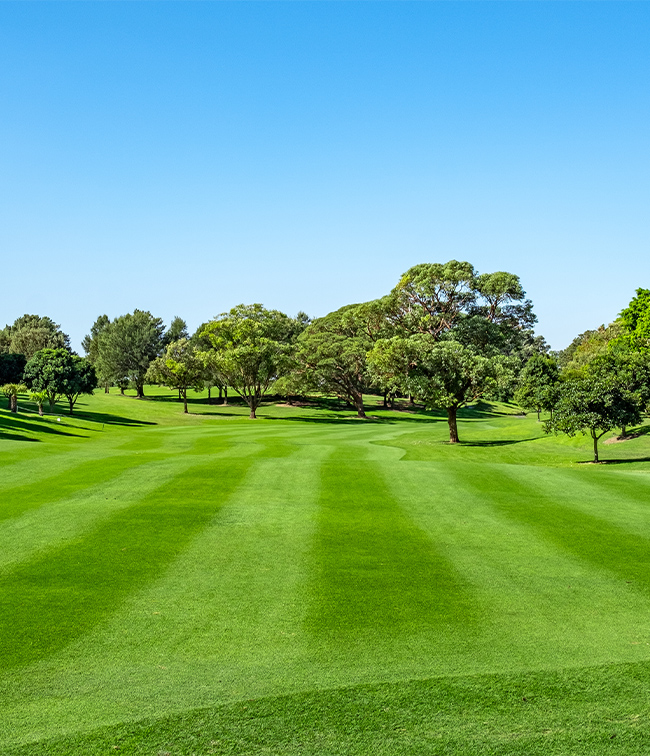
The scorecard says the long par four is the hardest hole on the course. A working greens keeper in Ponte Vedra explains why his crew would pick a short, pretty par three instead — small, shaded, and low, it collects every ball mark, every footprint, and every disease invitation in one place.
Ask any golfer which hole here is the hardest and he will name the long par four, the number one handicap hole, all carry and wind. He is not wrong — for him. Ask my crew at 5:30 in the morning and you will get a different answer: a hole you probably birdied once and forgot by lunch.
Our hardest hole is a short par three tucked back in the trees. Pretty as a postcard. One swing, a wedge or a short iron, and you are walking off in three minutes feeling good about yourself. That little hole eats more of my week than the big par four ever dreams of, and it is not close.
Start with the big hole, because it explains the rest. It sits wide open to the sun and the ocean breeze. Wind that makes your tee shot miserable makes my life easy — it dries the dew early, moves the air, and keeps disease down. The fairway is broad, so traffic spreads over acres. The green is big, so a spot beaten up on Saturday can rest a week while we play the other corners. Hard golf, honest grass. It mostly asks us to mow it and leave it alone.
Now walk back into the trees. That little green sits in a bowl, shaded until the sun climbs over the oaks, and on a still Florida morning the air down there just sits. Dew that burned off the open holes at eight is still lying fat on that green at ten. Wet grass, no air moving — that is a written invitation for disease, and that green accepts it more often than any other we own. We run a fan for it. The fan helps. It does not change the fact that the hole lives in the one climate I would never have picked for a green.
Size is the other half of it, and size works backwards. A small green sounds easier to keep — less to mow, feed, and water. But every tee shot on a par three aims at that one target, and every ball lands in the same few square yards. On a par four your approaches scatter — long, short, left, right, thinned into the next county. Here, a hundred and fifty golfers a day hit it to the same neighborhood. Ball marks concentrate. Foot traffic enters and exits at the same two or three spots. Fair cup locations are so few that a good spot comes back around before its last scars have healed. A big green dilutes your damage. A small one collects it, with interest.
It is low, too, because pretty holes near water usually are. After a hard rain it is the last green to dry and the first to play soft, and soft means every footprint and pitch mark prints deeper. There is no room to work around it, either — the surrounds pinch tight, the mower turns are short, and half the detail work gets done by hand, because the machine does not fit the place.
So that is where you will find us longest. Hand-watering the dry edges the shade leaves behind while the middle is still damp. Moving a little rope to walk your feet a different way and rest the worn entries. Resting a pin position everybody loves, because loving it two weekends straight would kill it. Topdressing light and often, and watching that green like a pot thinking about boiling over. None of it shows. Done right, it just looks like a pretty short hole that was always fine.
I am not complaining, exactly. Somebody designed that hole to be the photograph, and it is — I have watched a heron fish its pond while the first group just stood on the tee taking it in. But difficulty depends on which side of the mower you are standing on. Your hardest hole asks you for one great long shot. Mine asks a small, shaded patch of grass to absorb everybody's best swing, in the same spot, every day, and smile about it.
So the next time you breeze through an easy-looking short hole, fix your ball mark like you mean it — on a little green, one repaired mark is worth two anywhere else — and spare a thought for the crew. The hole that gave you the least trouble is probably the one that gave us the most. That is just the real scorecard, and we keep it in pencil, in the barn, where the coffee is.