 The Fairway Wire
Editorial
The Geese Live Here. You're Just Visiting for Eighteen Holes.
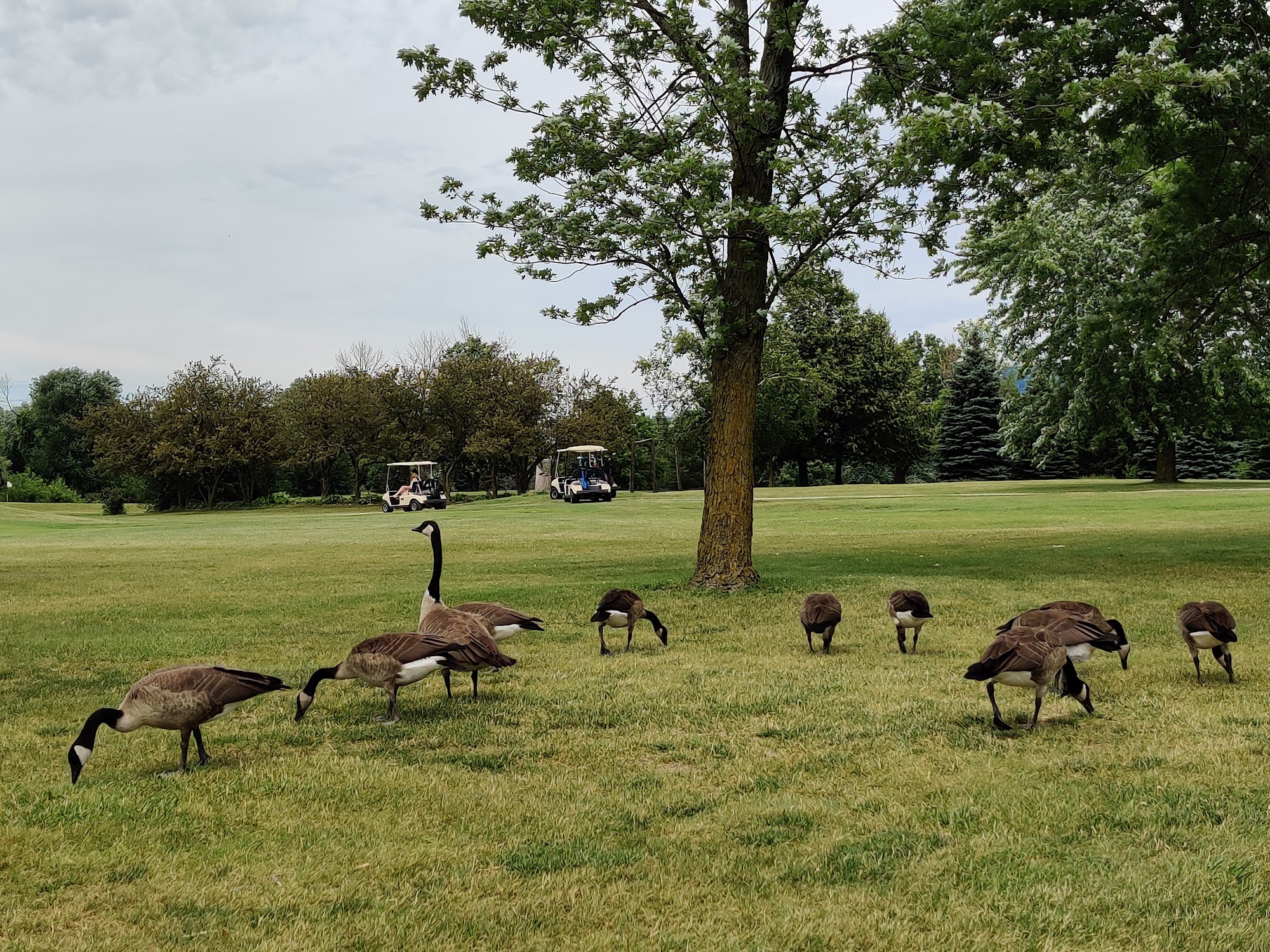
Every morning before the first tee time, I have to negotiate with the real residents of my course: a flock of geese who treat the greens like a waterfront buffet. Here is why they moved in, what they leave behind, and why the crew manages a weekly truce instead of a war.
Some mornings I roll up to a green before the sun has cleared the pines and the whole putting surface is already occupied. Not by golfers. By geese. Twenty of them, spread out like they own the place, grazing, preening, and looking at my mower the way you would look at a leaf blower outside your bedroom window at dawn. Annoyed. Not scared. Never scared. I cut the engine and wait, because out here I have learned the pecking order, and I am not at the top of it.
If you step back and look at a golf course through a goose's eyes, you will understand why they never leave. We built them paradise and then acted surprised when they moved in. Short, tender grass kept mowed to snacking height in every direction. Open ponds for a safe landing and a quick escape. Long, clear sightlines so nothing can sneak up while they eat. Nobody hunting, nobody chasing, and a buffet that grows back faster the more they graze it. A goose does not see a championship layout. A goose sees the best-protected salad bar in Florida, with waterfront seating.
What they leave behind is the part I wish I could put on a sign by the first tee. Geese eat a lot, and simple math says the other end of that arrangement is prodigious. A flock working a green overnight can leave it polka-dotted in a way that makes a morning putt an act of faith and good humor. They pull at tender overseed, they peck around the cup, and in nesting season a mother goose will choose the one bunker or pond bank closest to play and defend it like a toll booth with feathers. Part of my crew's early work is just quietly making a green presentable again before the first group learns the geese were there.
And no, we cannot simply make them go away, and I have stopped wishing we could. These birds are protected, their nests and eggs are protected, and even if none of that were true, a relocated goose is mostly a goose with a story about a road trip. They know this ground. Their young are born here and come back here. Every spring the goslings appear in a yellow line behind their parents, marching across a fairway like a school group on a field trip, and every cart on the path stops to watch. Try being the man who wants that gone. You will lose that vote before it is taken.
So we manage around each other, the way neighbors do. We let the grass grow a little taller along some pond edges, because geese hate walking out of water into grass they cannot see over — it feels dangerous to them, and a nervous goose grazes somewhere else. We move them along gently in the mornings, on foot, steady and boring, never a chase. We time certain work for when a nesting pair is calmest, we clean the worst greens first, and we accept that a few collars and pond banks belong to them more than they belong to us. None of it is a victory. All of it is a truce that has to be renegotiated every single week.
Here is my honest ask of the golfer, from the man idling on the mower. Give them the right of way, the same as you would for my crew. Never feed them, because a fed goose becomes a begging goose, and a begging goose becomes a bold one standing on a green expecting room service. And if a mother hisses at you from the edge of a pond in April, believe her. She is not bluffing, she is not cute, and your ball in the rough behind her is a drop you should be proud to take. I have watched grown men in hundred-dollar shirts retreat from an eight-pound bird, and I have never once thought less of them for it.
Because here is the truth I come back to on those occupied mornings. Golf likes to call itself a game played in nature, and then act annoyed when nature actually shows up. The geese were not invited, but neither was I, if we are keeping score by who was here first. My job is to hand you a course worth playing. Their job, near as I can tell, is to remind all of us that it is borrowed ground. So I wait until they wander off the green at their own pace, fire the mower back up, and get to work — a visitor, same as you, just one who brought his own equipment.