 The Fairway Wire
Editorial
The First Cold Front of the Fall Changes Every Job Out Here Before the First Tee Time
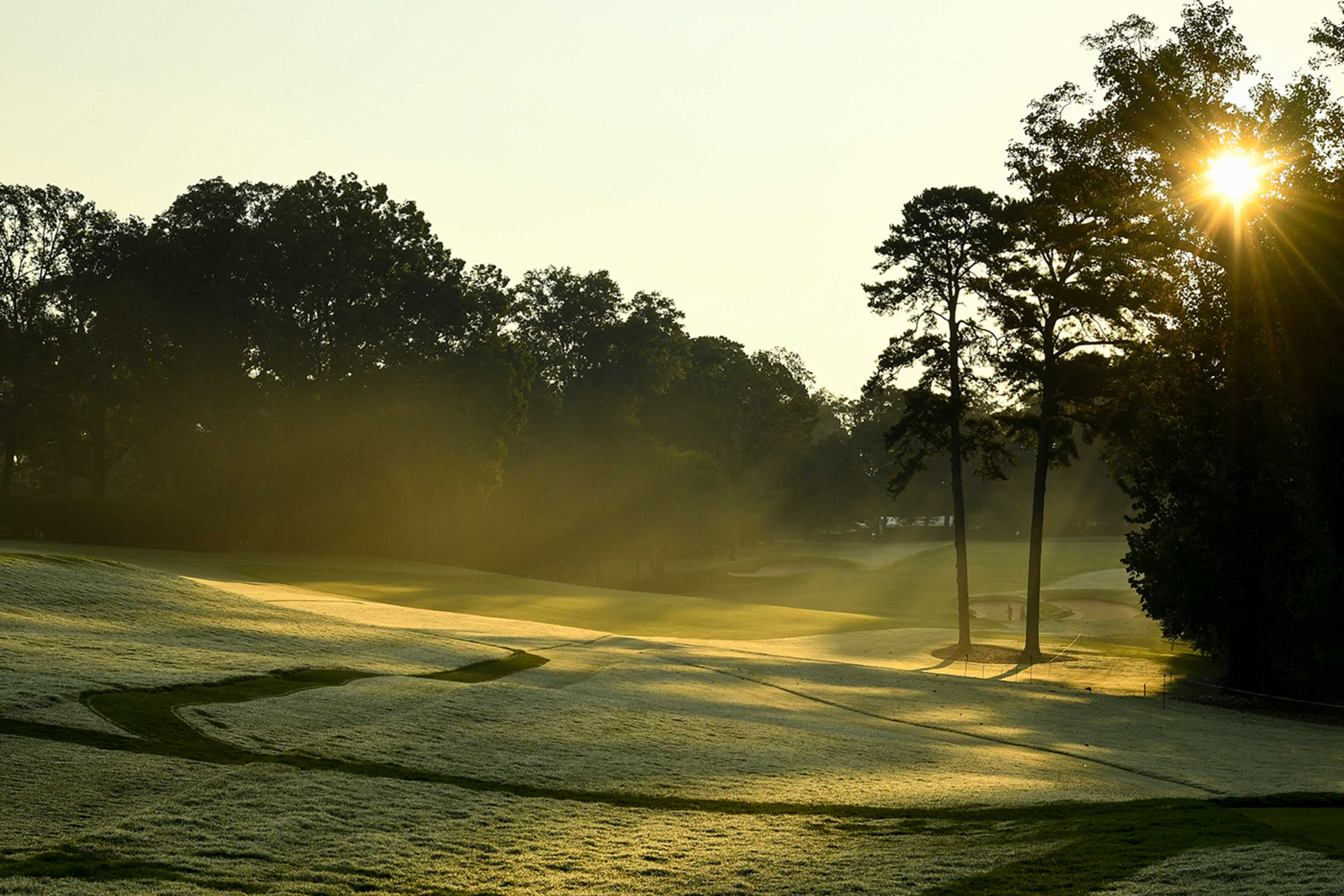
The first real cold front of fall hands a Ponte Vedra course from the bermuda to the winter rye overnight. A working greens keeper walks through what changes before the first tee time — the irrigation clock, the disease watch, the frost list, and the stripes that finally show off.
The first real cold front of the fall does not knock politely in Ponte Vedra. It shows up in the night, shoves the humidity out to sea, and by the time my truck rolls through the gate the whole course has changed shifts. The air is dry enough to feel thin. The dew is heavier and it stays longer. Somebody on the crew is wearing a jacket he swears he did not own yesterday, and the bermuda has quietly started handing the keys to the winter rye.
All summer long, bermuda is the boss down here. It loves heat the way I love a breakfast sandwich, and it grows fastest in exactly the weather that wears a man out. But bermuda keeps one eye on the thermometer. String a few nights in the fifties together behind a front like this one and it starts checking out, a little at a time. Growth slows. The color softens from that deep summer green toward olive. It is not dying. It is doing what warm-season grass has done forever: storing its energy down in the roots, settling in, and waiting out a winter it cannot grow through.
The rye we overseeded with hears the same weather report and reads it the opposite way. Cool nights and bright, dry days are ryegrass weather — the exact weather it was born for. A front that tells the bermuda to rest tells the rye to stand up straight and show off. This is the week the overseed stops looking patchy and starts looking deliberate, when the stripes go crisp, the color goes that clean winter green, and golfers start saying the course looks like a postcard. The front just turned the lights on for work we did weeks ago, with seed and water and patience.
My job changes with the grass. The irrigation clock that ran the summer gets a hard edit after the first front. Evaporation falls off a cliff once the air dries out and the nights cool down, so ground that needed a drink every night in August can go two or three nights now and never miss it — except the young rye, which still wants light, regular water until its roots can find a drink on their own. Too much water in cool weather is not kindness. Soggy soil in November grows disease and shallow roots, and both of them send me the bill in January. So the front makes me a miser: water the seed, rest the rest, and let the course dry down firm.
The disease board flips, too. The summer killers that love hot, wet nights lose their nerve when the front comes through, and I can breathe about them for the first time since June. In their place come the cool-weather nuisances that enjoy a long, dewy morning, so my walk changes from hunting heat stress to reading dew — where it sits heaviest is where trouble applies first. A front is also fair warning that frost season is in the on-deck circle: the low spots by the ponds and the shaded back greens go on my nightly watch list, because the first frost never announces itself to the tee sheet.
Even the sounds change. A post-front morning is quieter and cleaner than a summer one. The mower stripes lay down sharper in the dry air. The flags stand up instead of hanging limp in the wet heat. The crew moves a step faster, because working in cool air is a gift and everybody knows it, and the coffee in the shop goes from a habit to a heated piece of equipment. Give me a fifty-degree sunrise over an eighty-degree one and I will get more honest work done before eight than some folks manage all day.
Here is the part golfers never see: a cold front is a changing of the guard, and a changing of the guard is when things get dropped. The bermuda is not gone, the rye is not permanent, and for a few weeks both of them are half in charge and neither one is. My whole craft lives in that handoff. Feed the one that is arriving. Protect the one that is resting. Do not panic at a thin spot that is just a slow wake-up, and do not celebrate a stripe that is just a cool night flattering young rye. The calendar says November. The course, as of this morning, finally agrees — and out here, the course agreeing with the calendar is the whole job in one sentence.