 The Fairway Wire
Editorial
The Cart Barn Charges All Night So Your Morning Round Can Start on Time
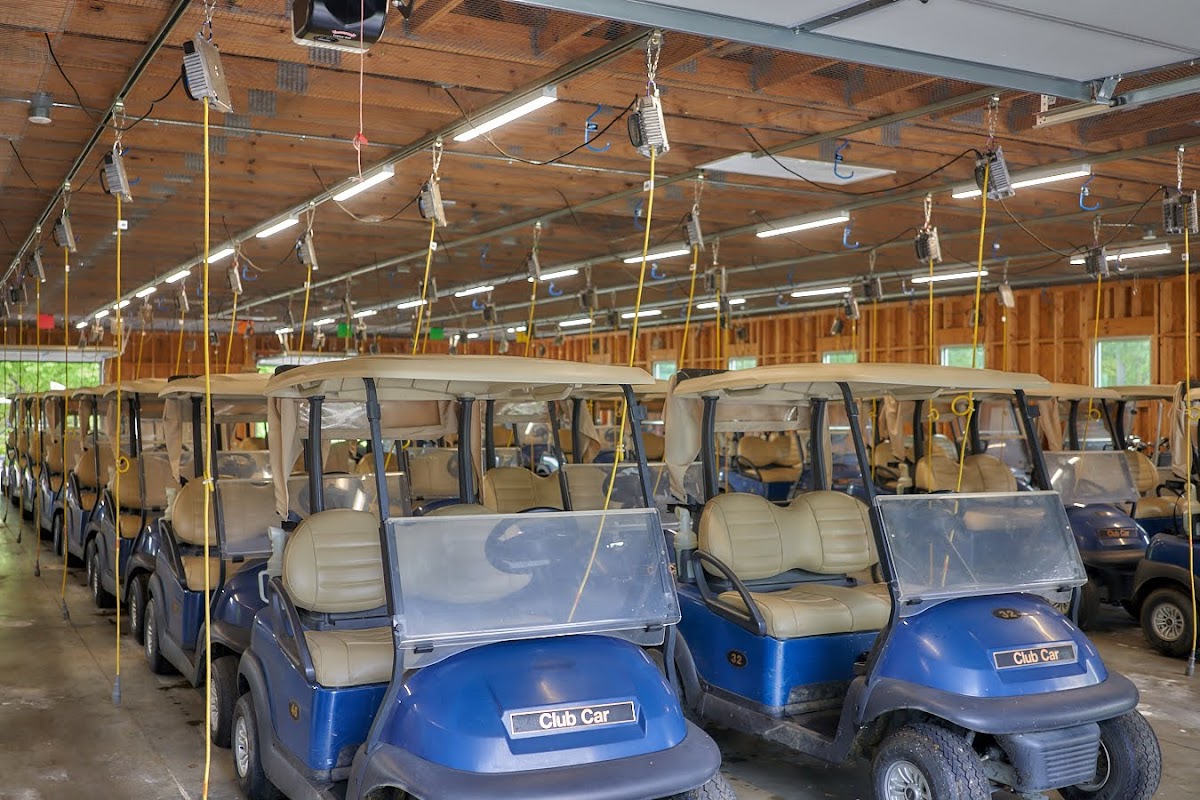
Long after the last group leaves, the cart barn hums all night with chargers bringing a tired fleet back to full. Cliff walks the blinking row, explains why a missed plug tonight becomes a dead cart on the fourteenth fairway tomorrow, and gives the quietest building on the course its due.
Long after the last putt drops and the parking lot empties, my golf course is still working. It is just working quiet, in a building most golfers drive right past without a second look. That is the cart barn, and if you listen outside it on a still night in Ponte Vedra, you can hear it before you see it — a low hum, a soft click here and there, and row after row of little lights blinking in the dark like the place is dreaming.
Every one of those lights is a battery charger doing the night shift.
A golf cart looks simple in the morning. You turn the key, press the pedal, and off you go with your bag, your coffee, and your hopes for the front nine. What you do not see is the long, patient work that got that cart ready. When a cart comes in at dusk, it is tired in ways you cannot tell by looking. Eighteen holes on a Florida course — hills you forget are hills until you walk them, soft ground after rain, a full bag, two riders, a cooler — that pulls a battery down deep. Plug it in wrong, skip a night, or leave it half charged a few times in a row, and that battery starts dying a little earlier every day. By the end of the month, it is the cart that quits on the fourteenth fairway and turns my radio into the busiest thing on the property.
So the barn has a routine, and it runs whether anybody is watching or not. Carts get washed down, parked nose-in in their numbered spots, and plugged in one by one. Not tossed in a corner. Not "we will get to it tomorrow." Water gets checked in the battery cells, because a dry cell in Florida heat is a cell that will not come back. Cables get a look for fray and green corrosion, which our salt air hands out free of charge. Tires get a glance, seats get wiped, and the windshields get cleaned so the first group of the day is not staring through yesterday's dust and one very unlucky bug.
I have a soft spot for that building at night. The rest of my job is grass, and grass never stops arguing with me. It grows, it thins, it gets thirsty, it catches something. The barn, on a good night, is the one place where everything is either done or honestly charging. You walk the row with a flashlight and the lights tell you the truth. Green means ready. Blinking means working on it. Dark means go find out why, right now, because tomorrow morning will find out louder if you do not.
November makes the barn matter even more. Our days are getting shorter, even down here, and the tee sheet does not care. The first groups go out in a light so thin I am still mowing by feel, and the last groups finish close to dark. That squeezes the turnaround. A cart that comes in late still has to be full by early, and batteries do not hurry because the sheet is busy. Charge them too fast, too hot, too often the wrong way, and you shorten their lives. Treat them right — steady charge, full charge, clean connections, water where water belongs — and a fleet will carry a course through season after season. Batteries are not cheap, and neither is the morning one fails in front of a foursome that drove an hour to be here.
There is also a small honesty test hiding in that barn. It would be easy, on a busy evening, to leave the last few carts unplugged and hope the morning sorts itself out. It never does. The morning always collects. So we finish the row. Every plug, every night. That is not a grand rule. It is just the same rule the whole course runs on: the work nobody sees is the work that decides whether the work everybody sees looks easy.
Next time you climb into a cart at sunrise and it pulls away strong, spare a thought for the quiet building that stayed up all night for you. No applause out there, just chargers humming in the dark, doing their slow work right. My crew gets credit for the greens at dawn, and that is fair enough. But the first sound of a good round is not a tee shot. It is a key turning in a cart that was ready because somebody, the night before, walked the whole row and plugged in every last one.