 The Fairway Wire
Editorial
In Florida, the Grass Is Fighting Something You Can't See
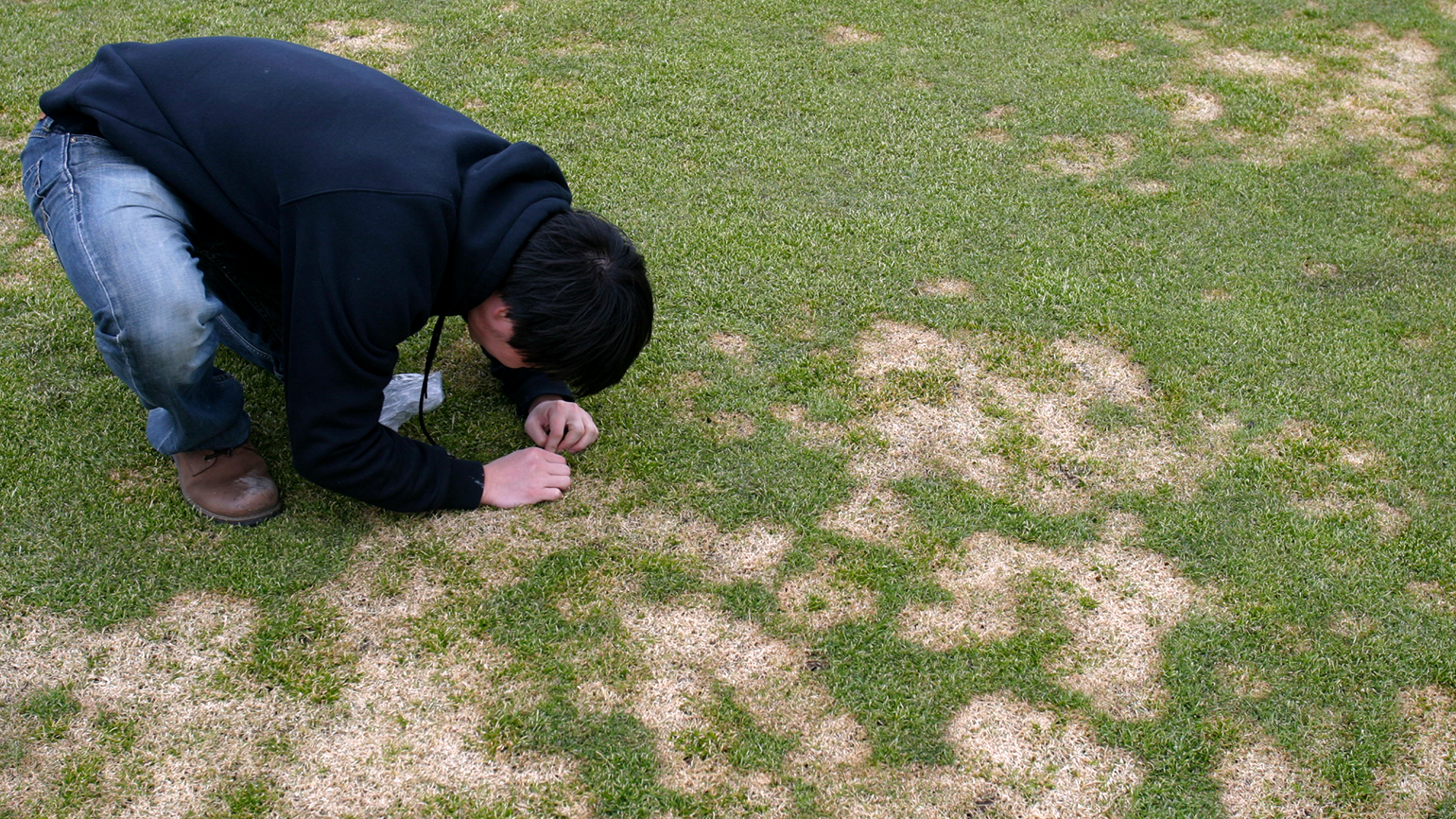
On a still, humid Florida morning, a green can look perfect at sunrise and be in real trouble by Friday. A working greens keeper on disease pressure — the spots, rings, and thinning turf most golfers walk right past, and the quiet daily fight to stop them early.
**Summary (deck):** On a still, humid Florida morning, a green can look perfect at sunrise and be in real trouble by Friday. A working greens keeper on disease pressure — the spots, webs, and thinning turf most golfers walk right past, and the quiet daily fight to stop them early.
---
In Florida, the Grass Is Fighting Something You Can't See
On a still, humid morning in Ponte Vedra, I can walk onto a green that looks perfect and know, in my gut, that it is in trouble.
That sounds like superstition. It is not. It is pattern recognition you earn the damp way. The air has not moved all night. The dew is heavy enough to soak your shoes in fifty yards. The grass stayed wet for hours longer than it wanted to, warm and wet at the same time, and in Florida that combination is an open door. Disease does not need much encouragement here. It just needs a night like that, and then another one.
Most golfers never see this fight, and that is the job working as it should. What you see, if we miss, is the end of the story: a thin spot the size of a dinner plate, a yellow ring that was not there last week. By the time it is obvious from a cart, the real argument has been going on under the leaf for days.
Let me translate a few of the things we look for at daylight. Little silver-dollar circles that show up overnight in the fairway. A smoky ring at the edge of a green, like somebody drew on the grass with a dull pencil. White, cottony webbing in the dew at sunrise that is gone by your nine o'clock tee time — if you do not walk the course early, you will never know it was there, but we know, because we were out in it. Turf that pulls up too easy because the roots have gone short and tired. None of it looks like much by itself. Put together, in a humid stretch, it reads like a weather report. Something is coming, and it is coming for the weakest grass first.
Here is the part people outside the shop get backwards. Disease is rarely a sign that a crew got lazy. More often it finds the places the course itself makes vulnerable. The green tucked in a hollow where the air sits still. The shaded corner that never quite dries. The spot where golfers all walk in and out the same three feet of turf, packing it down, day after day. Stress invites trouble — compacted soil, worn entrances, grass cut a fraction too tight for a fraction too long in the heat. A strong plant fights a lot of this off on its own. A tired plant cannot, and Florida makes a lot of tired plants.
So the fight, most days, is not dramatic. It is not a man in a spray rig saving the course in the nick of time, though those days happen, and the chemistry we use is careful, targeted, and expensive enough that nobody wastes it for fun. The real fight is boring on purpose. It is brushing dew off greens early so the surface dries hours sooner. It is air, believe it or not: pruning a tree, opening a pocket so a breeze can do for free what a spray does for a lot of money. It is not watering just because the calendar says so, not feeding the grass into soft, lush growth that disease loves more than golfers do, and not scalping a stressed area to make it look tidy for one Saturday.
And it is scouting — walking the same ground every morning and actually seeing it. The best superintendent I ever worked around did not have magic spray. He had eyes, and a memory for his course that bordered on unreasonable. He knew which green would show trouble first — every course has a canary — and he checked it early, in person, not from a report.
When we do have to treat, timing is the whole game. Catch it early and you are protecting healthy turf with a measured hand. Wait a week, hoping it is nothing, and you are chasing it across a green while everybody wonders why number twelve looks rough. There is no trophy for guessing right that it would pass. There is only turf, either still standing or not, three Fridays from now.
I am not writing this so you feel sorry for the grass. Bermuda is tougher than it gets credit for. Give it drainage, air, sunlight, and a crew that pays attention, and it will fight its corner. I am writing it because the next time you see a faint ring or a thin spot, I want you to know something happened long before that — and that a handful of people were out there at first light, in wet shoes, trying to make sure you never had to wonder at all.