 The Fairway Wire
Editorial
I Wash My Flags in a Bucket Behind the Shop, Because a Dirty Flag Lies About the Wind
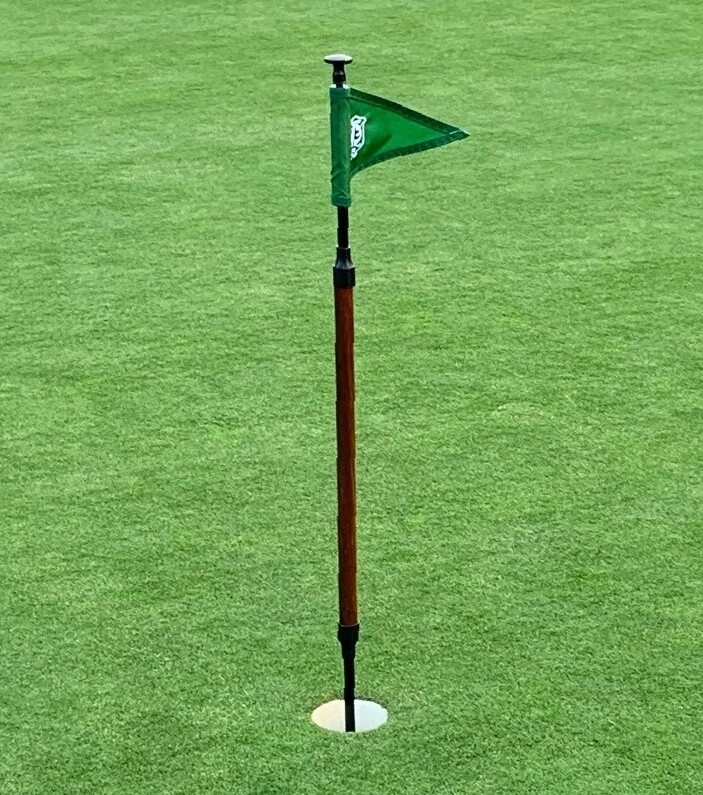
Every golfer reads the flag for wind, but a flag caked with pond spray, pollen, and Florida grime hangs heavy and tells a fib. Cliff explains the bucket, the mild soap, and the late-November afternoon when all eighteen flags get a bath and the faded ones get retired.
Every golfer on my course reads the flag before an approach shot. You look up, you watch it snap or droop, and you pick a club off what it tells you. What nobody thinks about is that the flag can lie. Not on purpose. A dirty flag is a heavy flag, and a heavy flag hangs like a wet towel even when the wind is honest. It will tell you calm on a morning when the breeze is worth half a club, and I have watched good players come up short and blame their swing for what my laundry did.
That is why, a couple of times a year, I wash my flags in a five-gallon bucket behind the shop. Late November is one of those times. The overseed is up, the summer spray season is done, and eighteen flags come off their sticks and go into warm water with a capful of mild soap. It is the least glamorous job on this whole property, and I would argue with anybody that it matters more than half the fancy work we do.
You would not believe what comes off a flag in Florida. Pond spray drifts onto the back nine flags every time we treat the water. Pollen paints the spring set yellow-green. Mildew freckles the ones that sit in the shade of the live oaks on four and eleven, because those flags never quite dry out. Add sunscreen from a thousand hands, dust from the cart paths, and whatever a summer thunderstorm throws sideways, and by fall each flag is carrying a thin, stiff crust. The water in my bucket turns the color of sweet tea in about ninety seconds. The first time a new crew member sees that, he understands the job a little better.
Washing is only half of it. A wet flag laid out on the shop table is a flag you finally inspect up close, and close up tells the truth. I check the sleeve where it slides over the stick, because that is where they tear first. I check the stitching at the corners, because a corner that lets go turns a flag into a ribbon, and a ribbon reads wind like a weather vane on a barn — all flutter, no information. I hold each one up to the shop light. Sun fade is not vanity out here. A flag bleached pale on one side and bright on the other can look like two different flags from two different fairways, and a guest trying to find his green through the trees deserves a color that still says something.
The faded ones and the torn ones get retired, and I keep spares in the cabinet for exactly that reason. A fresh flag snaps. That is the word the crew uses, and it is the right one. A clean, light flag lifts in a breath of air, settles when the air settles, and ticks back and forth in a shifting breeze so a player standing in the fairway gets the whole sentence instead of the first word. When I send a washed set back out and walk the course the next morning, the flags look like they are paying attention. It sounds foolish until you have watched eighteen tired ones hang there saying nothing.
There is a small pride in it I will admit to. Nobody will ever walk off the eighteenth green and say the flags looked clean today. Nobody writes a review about it. It is invisible work, like most of the honest work on a golf course. But somewhere out there, a man in the ninth fairway is going to trust what my flag tells him, pull one more club, and fly it pin-high instead of watching it die in the collar. He will never know a bucket of soapy water had anything to do with it. I will know. That has always been enough for the crew side of this game, and it is enough for me.