 The Fairway Wire
Editorial
I Sharpen My Reels With Gritty Paste, Spin Them Backwards, and Listen for the Click
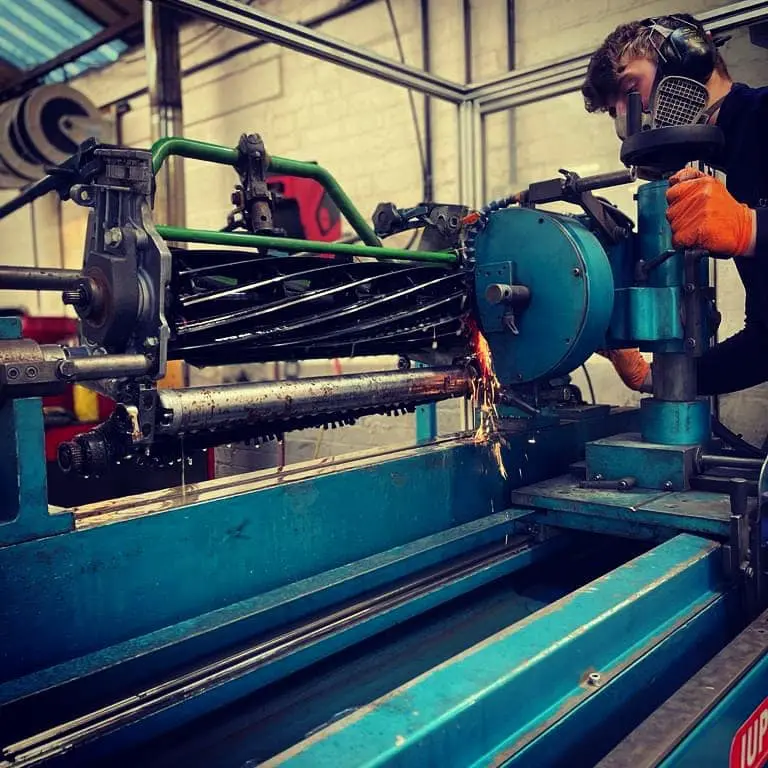
A greens mower does not chop grass like scissors' rough cousin — it shears it, reel against bedknife, and when that edge dulls the grass knows before you do. Cliff takes you into the shop for backlapping season: gritty paste, a reel spinning backwards, and the little click that says the cut is honest again.
Your home mower has one blade that whacks the grass and hopes for the best. My greens mower has a reel — a cylinder of curved steel blades — that spins past a flat bar called a bedknife, and the grass gets sheared between them the way paper gets cut by scissors. When it is right, the cut is clean enough to frame. When it is wrong, the tips of the grass tear instead of cutting, and torn tips turn white, then brown, then invite every disease in the county to move in. The grass tells on a dull reel about two days before your eyes catch it.
November is when my reels get their honesty back. The bermuda has slowed down, the overseed is up and tender, and the shop finally has time to do the job right instead of fast. The full treatment is a grinder — a big machine that dresses each blade with sparks flying — and our mechanic runs that show. But the working sharpen, the one that keeps a reel true between grindings, is a jar of gritty paste and a drill, and it is called backlapping. It sounds like a wrestling hold. It works like a charm.
Here is the whole mysterious process, demystified. You brush the paste — lapping compound, grit suspended in grease, in grades like sandpaper — onto the reel blades. Then you run the reel BACKWARDS, slow, with a socket on a drill or a little motor, so the blades drag across the bedknife the wrong way. The grit caught between the two edges polishes both of them at once, wearing away the high spots and the nicks until the reel and the bedknife match each other like they were poured together. Backwards feels wrong the first time you do it. By the third reel it feels like tuning an instrument, which is exactly what it is.
Because you do not judge a lap job with your eyes. You judge it with your ears and with a strip of paper. A dull setup growls and chatters. A lapped one settles into a steady, even hiss with a little click in it as each blade passes the knife — click, click, click, metronome-regular, no blade louder than its brothers. Then you hold a strip of paper where the grass would go and turn the reel by hand. A sharp reel slices it clean, edge to edge, all the way across the bedknife. A spot that tears the paper or folds it is a spot that will tear grass tomorrow, and it gets more paste and more patience until it cuts like the rest.
Why not just spin the grinder every time and be done? Because grinding takes metal off, and metal is money. A reel only has so many grinds in its life before the blades get thin and the whole cylinder — which costs more than a decent used car — is done. Lapping takes off almost nothing. It is the difference between sharpening a kitchen knife on a steel every week and grinding it down to a letter opener in a year. Lap often, grind rarely, and a set of reels will outlast the mower frame they rode in on.
The other thing November lapping buys us is the truth about the season. You find the nick from the sprinkler head somebody clipped in June. You find the blade that took the rock the member swears was not in the fairway bunker. You find the reel that has been running a hair out of parallel since August, cutting a whisper lower on the left than the right — which, I will confess in print, explains one mysterious stripe I blamed on the grass for a month. The shop does not just sharpen the fleet in November. It reads its diary.
So if you play this winter and notice the greens putting true and the fairways looking combed instead of chewed, some of that started here, in a cold shop, with paste on my knuckles and a reel turning the wrong way on purpose. Nobody will ever walk up to me and say, nice lapping job, Cliff. That is fine. The grass says it every morning, in green tips that stay green. All I have to do is listen for the click.