 The Fairway Wire
Editorial
I Set a Dozen Little Cups on the Green Before Sunrise to Find Out What My Sprinklers Really Did Last Night
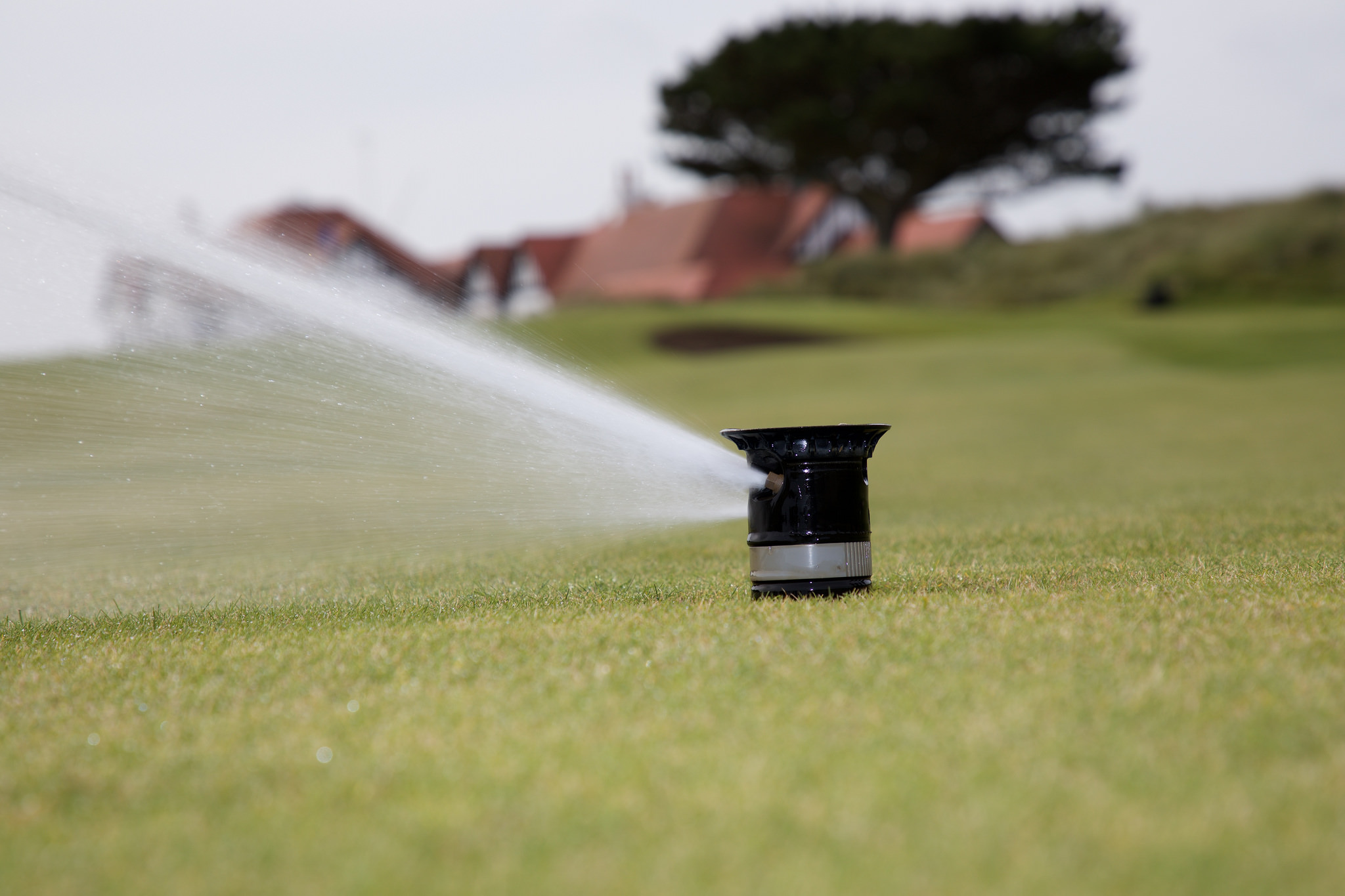
A green can look watered and still be thirsty in a ring nobody sees from the cart. So before sunrise I set little catch cups in a grid, run the sprinklers, and read the water line in each one like a report card the grass wrote overnight.
A green can look watered and still be thirsty in a ring nobody sees from the cart. So before sunrise I set little catch cups in a grid, run the sprinklers, and read the water line in each one like a report card the grass wrote overnight.
---
The cups are nothing fancy. They are small plastic catch cans, about the size of a coffee mug, with marks up the side. I push a dozen or more of them into the green in straight lines, the way you would set out cones for a drill in a parking lot, except nobody is running through these. Then I run that green's sprinklers for a set number of minutes, walk back out with a flashlight still in my teeth, and read every cup.
What I am looking for is not whether water fell. Water always falls. I am looking for whether it fell evenly.
Here is the part golfers never think about. A sprinkler head does not water a green the way rain does. Rain is democratic. It lands everywhere at once. A rotor throws water in an arc, thinner right under its own nose, and it leans on the heads around it to fill in the gaps. When all of them are healthy, the overlaps add up to even. When one head is tired, tilted, clogged with a grain of sand, or set a few degrees off, the math breaks in one quiet patch — and that patch is where the grass goes off-color two weeks later, and everybody stands over it saying the green has a disease.
Most of the time the green does not have a disease. It has a dry ring where two arcs almost meet and neither one quite gets there. We call them donuts when they show up brown around a head. They are not a grass problem. They are a plumbing confession.
So the cups tell the truth before the grass has to. If the cups in the middle read a quarter inch and the cups on the high side read half that, I do not have a mystery. I have a head to level, a nozzle to swap, or five extra minutes to add to one station and not the others. Watering the whole green longer because one corner is dry is the laziest fix in my business, and in a dry November like this one, with the ponds dropping and every gallon counted, it is also the most wasteful. You drown the healthy grass to save the thirsty grass, and then you have two problems wearing one pair of shoes.
November is when I run the cups most. The summer rain is gone, the overseed rye is young and shallow-rooted, and the bermuda underneath is slowing down and in no mood to forgive a dry week. A thin spot in October gets covered by growth. A thin spot now just sits there and gets thinner, because nothing is growing fast enough to hide my mistakes. The cups are how I catch the mistake while it is still a number in a plastic mug instead of a brown ring a member photographs and sends to the pro shop.
There is a comedy to it, I will admit. I am a grown man kneeling on a dark green at 5:30 in the morning, reading water lines in little cups by flashlight, talking to sprinkler heads like they lied to me. The only witnesses are the sandhill cranes, and they have seen me do stranger things before breakfast. But this quiet, fussy job is the difference between a green that gets the same drink in every corner and a green that gets soaked in the middle and sipped at on the edges.
Because that is the thing about my sprinklers. They report to nobody. The controller in the pump house says the station ran twenty minutes, and the controller believes itself completely. The pump ran, the heads popped up, water moved. Everybody's paperwork is in order. The cups are the only audit the system ever gets, and they only know what landed in them.
Golfers do a version of this without knowing it. You walk off a green saying it felt firm under your spikes on one side and soft on the other, and you are reading the same report I am, just with your feet. Firm is thirsty that has not shown its color yet. Soft is a head doing more than its share.
So if you ever roll up early and see a line of little cups standing on a green like a tiny audience, do not kick one over on your way to the tee. That is not litter. That is my crew asking the sprinklers the only honest question in irrigation: not did you run, but did you reach. The grass already knows the answer. The cups just let me hear it before the grass has to say it out loud.