 The Fairway Wire
Editorial
I Bury My Best Greens in Sand on Purpose, and the Sand Is Doing the Saving
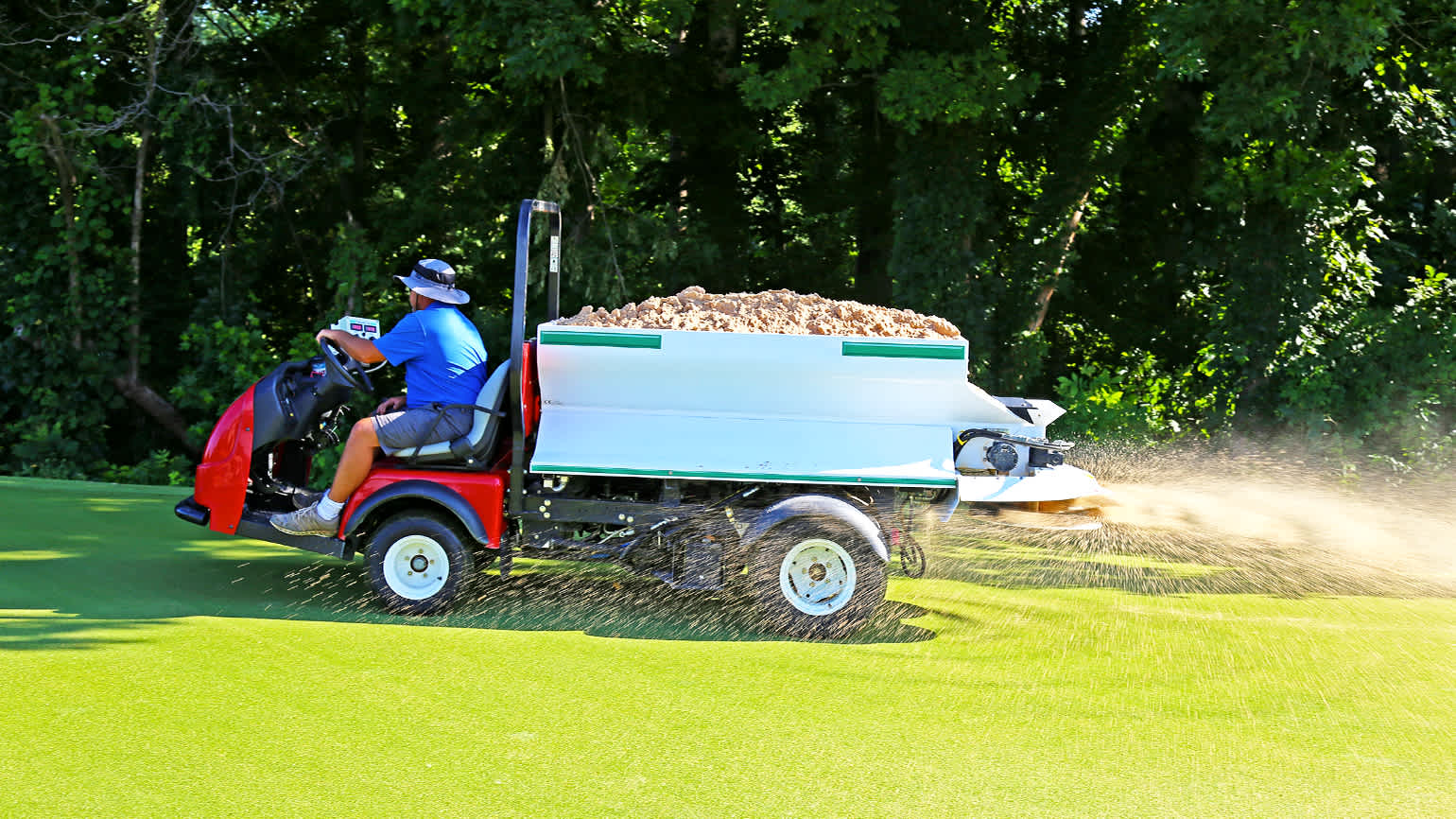
A Ponte Vedra greens keeper explains why the best mornings of the year start with covering a perfect green in sand. The thin layer golfers curse for a day is the reason the surface stays smooth, firm, and honest for months after.
The fastest way to start an argument in my shop is to let a golfer watch me cover a perfect green in sand. He sees a smooth, bright surface at sunrise and a tan blanket over it by eight, and he is sure we have lost our minds, or worse, that we enjoy ruining his round. I understand the feeling. I just know what that sand is doing under his feet, and it is the opposite of ruin. It is the reason the green was perfect in the first place.
Every green is slowly building a soft layer under the grass, made of old stems, roots, and clippings that did not fully break down. Turf folks call it thatch, and a little of it gives a green some cushion. Too much of it turns the surface into a sponge. A sponge holds water at the top, starves roots of air, and makes a ball bounce soft and crooked instead of rolling true. Sand is how we keep that layer honest. Thin, steady dustings work down between the blades and dilute the soft stuff, grain by grain, so the surface stays firm while the plant keeps growing up through it.
Sand also tells the truth about level. A green that looks flat to your eye is a hundred small hills and valleys to a rolling ball, left there by foot traffic, mower weight, ball marks, and the ground itself settling through the season. A light coat of sand settles into the low spots first. We brush it, drag it, water it in, and mow it, and pass after pass the low spots rise to meet the high ones. Nobody ever thanks sand for a putt that held its line in November. They should. That putt started behaving back when the surface looked ruined in the morning and rolled pure by the weekend.
November is prime sand season for us in Ponte Vedra, and it is not the heavy burial people picture from the rough months. Our greens are wearing their winter rye right now, young and bright and growing straight up in the cool air. A young plant grows fast, and fast growth lays down soft layer faster. So we go light and often this time of year, a dusting you can still see green through, never a beach. The goal is to keep up with the growth, not to smother it. Heavy sand on tender rye in a warm spell will cook the crowns, and the crown is the one part of the plant we cannot replace. Judgment lives in the rate. The spreader does not know the forecast. I have to.
Not any sand will do, either, and this is where my cheap side had to surrender years ago. The grains have to match the ground the green was built on, in size and shape, or the new layer sits on top like gravel on cake frosting and never marries in. Too fine and it seals the surface and holds water. Too coarse and a mower picks it up, dulls the blades, and leaves the green feeling like a sidewalk. We order washed sand, screened to a tight range, and we spread it dry, because wet sand clumps, bridges over the blades, and lands in ropes instead of a blanket. A morning with dew still heavy is a morning we wait. Sand rewards patience and punishes hurry, same as most of this trade.
I will grant the golfers one honest complaint. Putts roll funny the first day. A ball picks up grains, slows a step early, and leaves a faint track like a tiny sled. We mow a touch higher that day, roll the surface to press the sand down, and warn the shop so nobody is surprised at the first tee. By the second day the grains have worked below the blades, the track is gone, and what is left is a firmer, truer surface than the one we buried. One day of sled tracks buys months of honest rolls. In my book that trade wins every single time, and I have made it enough Novembers to stop apologizing for it.
So if you pull up this week and find my best greens wearing tan, do not mourn them. Under that blanket the soft layer is thinning, the low spots are rising, the roots are breathing, and the surface you love is being rebuilt at the pace grass actually allows. Good greens are not found. They are fed, brushed, watered, and yes, buried in sand on purpose, by a man who will be back out there before daylight tomorrow, checking whether the blanket settled the way he hoped.