 The Fairway Wire
Editorial
At Dusk the Bats Clock In Over My Ponds, and the Mosquitoes Clock Out
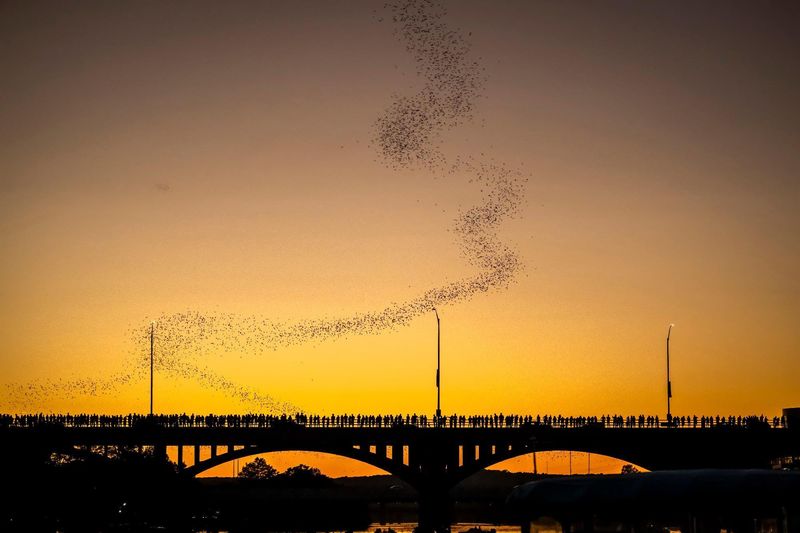
At last light over a Ponte Vedra course, the smallest crew on the property takes over: bats pouring out over the ponds to work the night shift on mosquitoes and moths. A greens keeper on his last loop explains why he protects their houses, never touches a grounded one, and would not trade the trade.
There is a shift change on my golf course that never shows up on any schedule I post in the shop. It happens at last light, while the final groups are putting out and I am making one last loop to check the ponds. The sky over the water goes the color of a ripe peach, the surface goes flat and black, and then the air above it starts to flicker. Little dark shapes, quick as thrown stones, zigging where no thrown stone ever zigged. The bats are up. My night shift has clocked in.
A golfer who has never watched them work will tell you a bat is about the size of a bird. He is wrong by a good stretch. Most of the bats over my ponds would fit in your coffee mug, wings and all, and weigh less than the pencil in your cart. What they are is hungry. All night they work the water and the tree lines, snapping up moths, beetles, gnats, and — here is the part that earns them my respect — mosquitoes, hundreds of insects a night, one pass at a time. I spend real money fighting the bugs that bite my crew at daylight. The bats do their share of that fight for free, and they have never once asked for a Saturday off.
We help them help us, the simple way. There are bat houses on poles near two of our ponds — tall, narrow wooden boxes that look like birdhouses somebody stretched in a taffy pull. On a summer afternoon those boxes hold a crowd, sleeping the day away upside down. My crew's whole job with them is to leave them alone. We do not open them, and if a bat ever turns up on the ground in daylight, nobody touches it. That is a phone call to the wildlife folks, not a shovel job. A bat on the ground may be sick, and a bare hand is a foolish tool for that work. Admire them in the air, and give the grounded ones a wide berth and a professional.
That rule confuses folks, because from a cart at dusk a bat looks like it is aiming at people. One will cut low over a green, swing past a flagstick, and double back so sharp it seems personal. It is not personal. He is chasing a bug you cannot see, and steering by sound — bouncing little calls off the world and reading the echoes. In all my years out here I have yet to see one touch a golfer, a hat, or a ball in flight. They want the insects over the water. We are just tall furniture to a bat.
November is when the whole show moves into everybody's view. A month ago this handoff happened after most folks had gone home to supper. Now the sun quits early, the last tee times finish in a purple dusk, and the bats come out while there is still an audience. I have seen a whole foursome stop on a green — putts forgotten — watching the water turn into a busy little airport. A granddad in that group will always say they used to see them over the farm pond when he was a boy. Then a kid asks if they are birds. No, sir. Better. Birds clock out at dark. These fellows are just getting started.
There is a fairness to the arrangement a working man has to appreciate. My crew takes the course at dawn. The egrets and herons take it through the morning, the ospreys work the ponds all day, and the cranes strut around like they pay dues. Then the light fails, my last cart rolls back to the barn, and the smallest crew on the property takes the whole place over — no headlights, no radios, no coffee required. Course care runs around the clock out here. I just hold the daylight end of it.
So if you are finishing in the dusk this month and the air over the pond starts to flicker, do not duck, and do not wave your putter at the help. Stand still a second and watch them work. Every zig is a bug that will not be at the first tee tomorrow morning, and every bat up there is doing a job I would have to pay somebody else to do worse. We will be back at dawn to take the course off their hands. They will be back in their boxes, sleeping through my noise, waiting on their shift. Fair trade — the fairest one on the property.